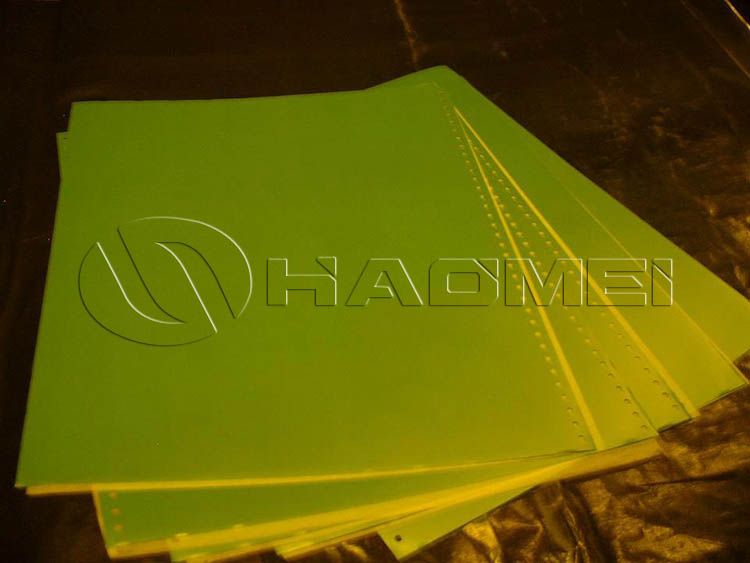
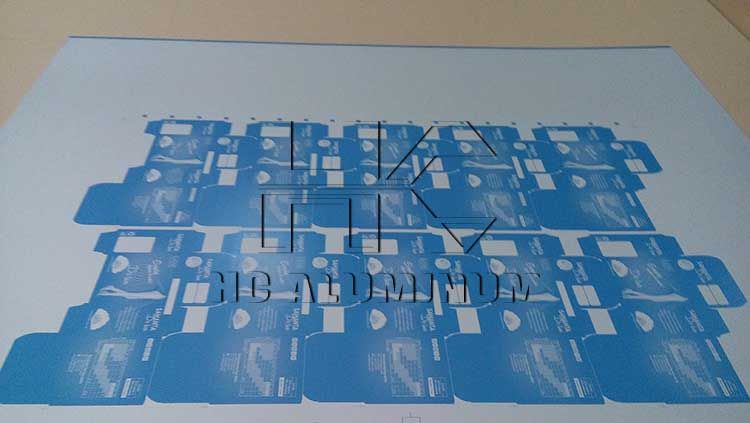
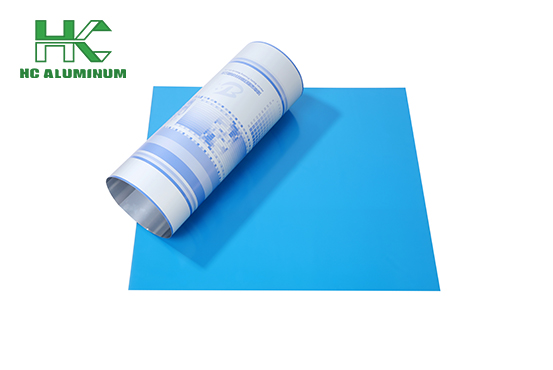
PS Printing Plate
Recent English Q&A searches around the PS printing plate are practical rather than theoretical. New print purchasers are asking whether PS, CTP, or CTCP plates fit their pressroom, how long plates last, what defects to watch for, and which specifications matter before placing an order. The questions below reflect common wording seen across Google-style searches, Quora-style threads, and print procurement discussions in the last three months.
| Hot question | What the question usually means | Fast answer |
|---|---|---|
| Is a PS printing plate still worth using? | Cost control versus automation | Yes, for stable offset jobs and conventional exposure workflows. |
| PS plate vs CTP vs CTCP, what is different? | Choosing the right imaging method | The main difference is exposure equipment, coating response, and workflow speed. |
| How many impressions can a plate print? | Expected run length | It depends on coating, aluminum base, developer, ink, paper, and press condition. |
| Why do plates scum or lose dots? | Troubleshooting print defects | Most causes come from exposure, processing, storage, or press chemistry. |
| What specs should I confirm before order? | Risk reduction | Confirm size, thickness, coating type, run length, sensitivity, and packaging. |
1. Is a PS printing plate still worth using, or should I move to CTP or CTCP?
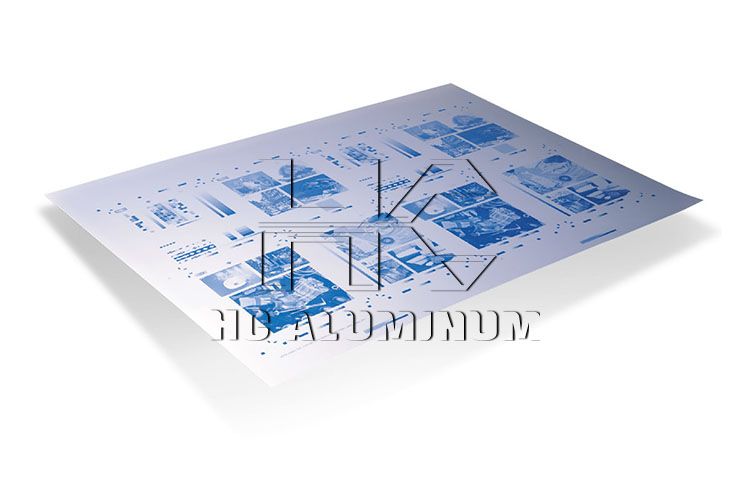
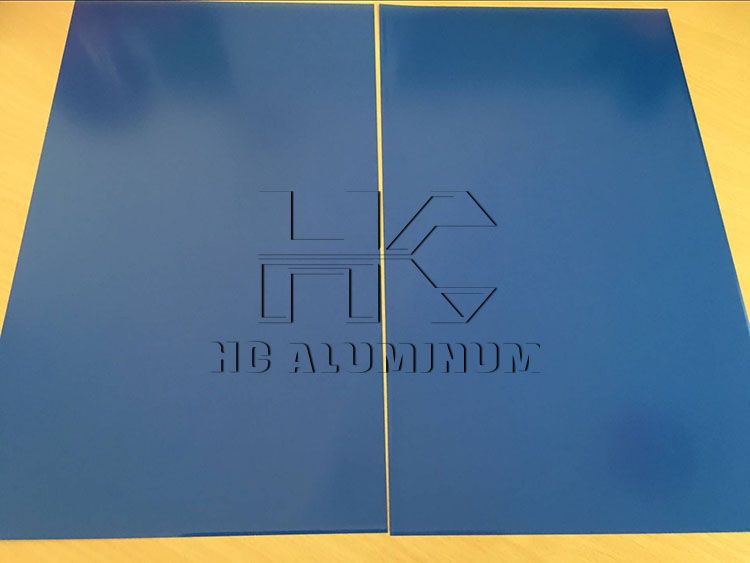
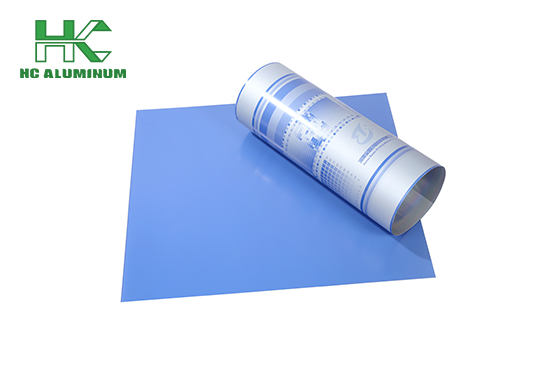
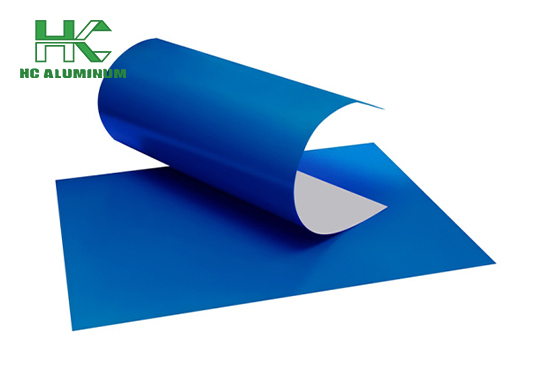
A PS printing plate is still useful when a pressroom already has a stable plate exposure and processing line. It is especially attractive for commercial offset printing where the operator wants predictable performance, moderate cost, and familiar handling. A positive PS plate can produce clean image areas and strong non-image hydrophilicity when exposure and development are controlled.
CTP plates are usually chosen when the workflow is fully digital and the plant wants to remove film from the process. CTCP plates sit between conventional PS and thermal CTP in many operations because they can use UV-sensitive coating with computer-to-plate imaging. If your main concern is entry cost and existing equipment compatibility, a dependable PS Plate can still be a rational choice.
2. What is the difference between a positive PS plate, CTP plate, and CTCP plate?
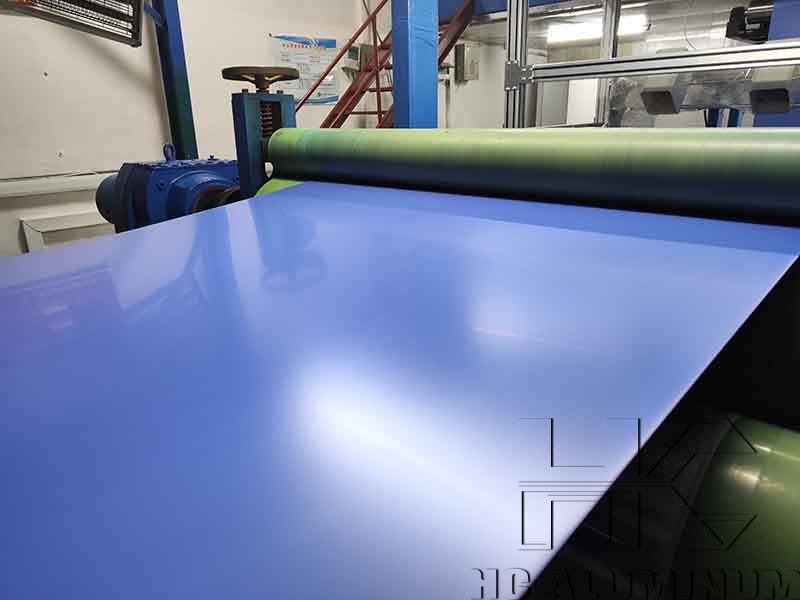
The difference is not only the name. It is the complete imaging route. A positive PS plate is normally exposed through film. The exposed coating becomes soluble in developer, leaving the image area on the plate. A CTP plate is imaged directly by a platesetter, commonly thermal or violet depending on the plate type. A CTCP plate is also digitally imaged, but it typically uses UV-sensitive coating and a CTCP exposure system.
| Plate type | Typical exposure route | Main advantage | Main limitation |
|---|---|---|---|
| Positive PS plate | Film plus UV exposure | Lower workflow change for traditional plants | Needs film quality control |
| CTP plate | Direct digital platesetter | Faster prepress and fine dot control | Higher equipment and plate matching demand |
| CTCP plate | UV digital platesetter | Digital workflow with UV-sensitive plate economy | Requires compatible CTCP machine |
For printing plants comparing these options, the decision should start with equipment, not only plate price. A cheaper plate can become expensive if exposure energy, processor chemistry, or punch registration does not match the existing workflow.
3. How long can a PS printing plate run before image wear appears?
There is no single run length number that applies to every job. Standard positive PS plates may serve short to medium commercial runs, while premium plates with stronger coating and optimized anodized aluminum base can last much longer. Baking can improve durability for some plates, but only if the plate supplier confirms that the coating supports baking.
Run length is influenced by four areas. First is the aluminum base, including graining uniformity, anodizing thickness, and surface cleanliness. Second is coating strength, sensitivity, and adhesion. Third is prepress control, such as exposure time, developer concentration, temperature, and replenishment. Fourth is press condition, including blanket pressure, fountain solution pH, ink abrasiveness, and paper dust.
If a plate loses dots early, do not blame the plate immediately. Check whether development is too strong, exposure is excessive, or press pressure is high. A good supplier should be able to provide a recommended exposure window and development range, not only a product name.
4. Why do PS plates get scumming, scratches, or weak dots during printing?
Scumming usually means the non-image area is accepting ink. Common causes include underdevelopment, dirty water system, weak gum protection, poor storage, or aluminum surface contamination. If scumming appears only at the leading edge, handling or machine loading may be involved. If it appears across the full plate, fountain solution balance or processing chemistry deserves attention.
Scratches are often mechanical. They may occur during unpacking, plate transport, vacuum frame contact, processor rollers, or mounting. Operators should wear clean gloves and avoid dragging plate surfaces against hard edges. Weak dots are commonly connected with wrong exposure, exhausted developer, plate age, or mismatched screening settings.
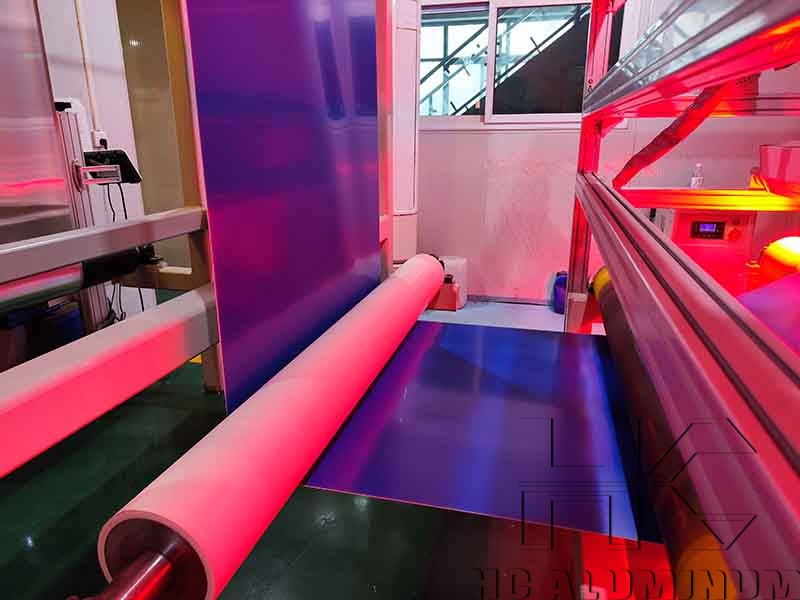
A simple fault check can save time:
| Defect | Likely source | Practical check |
|---|---|---|
| Background scumming | Fountain solution or development | Test pH, conductivity, and developer activity |
| Dot loss | Overexposure or strong developer | Reduce exposure step by step and inspect dots |
| Scratches | Handling or rollers | Inspect processor rollers and plate loading path |
| Poor ink transfer | Press setting | Check blanket pressure and ink-water balance |
5. What specifications should I confirm before ordering PS, CTP, or CTCP plates?
A new purchaser should avoid asking only for the lowest price. Plate stability depends on specification match. Before confirming a PS Plate order, ask for thickness tolerance, coating type, spectral sensitivity, recommended exposure, developer compatibility, safe-light condition, storage life, run length range, and packing method.
For PS plates, confirm whether the plate is positive-working or negative-working, as this changes imaging and development. For CTP plates, confirm the laser type and energy requirement. For CTCP plates, confirm UV sensitivity and platesetter compatibility. Also ask whether the plate can be baked, because this affects long-run packaging, book, label, and commercial print jobs.
| Specification | Why it matters | What to ask the supplier |
|---|---|---|
| Thickness | Affects press fit and registration | What tolerance is guaranteed? |
| Coating sensitivity | Affects exposure stability | What exposure range is recommended? |
| Aluminum base treatment | Affects water retention and durability | Is graining and anodizing controlled in-house? |
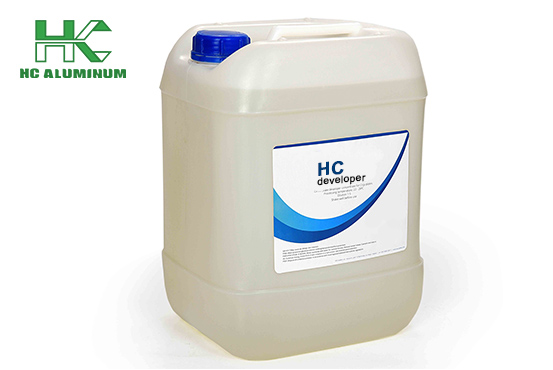
| Developer match | Affects dots and background cleanliness | Which developer and temperature are suggested? |
| Storage condition | Affects shelf life | What temperature and humidity range is safe? |
| Packaging | Affects transport damage | How are plates protected from light and moisture? |