How to Get Negatives Printed
In the offset printing industry, negative-working plate printing is the mainstream process suited for fine graphics and text, precise halftone dot reproduction, high-end books, and commercial color printing. Unlike positive-working plate printing, the imaging logic here involves retaining the image in exposed areas while forming hydrophilic non-image areas in unexposed regions; this results in higher imaging precision and sharper dot edges, though it imposes stricter requirements on plate compatibility and the platemaking process.
1. Core Medium: Violet CTP Plates
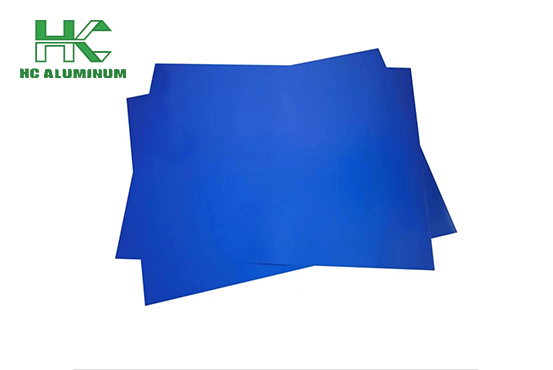
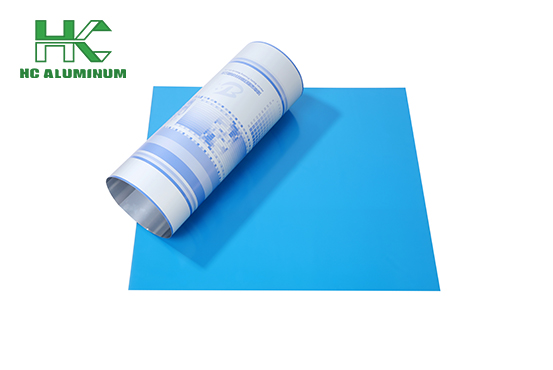
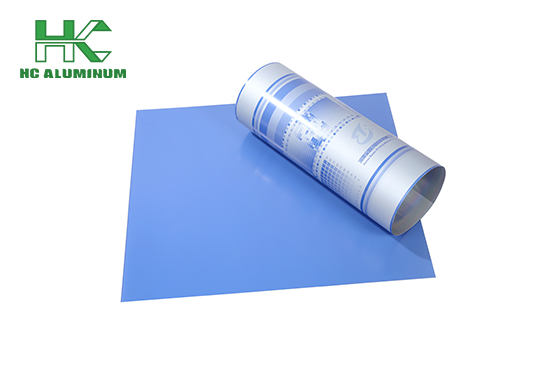
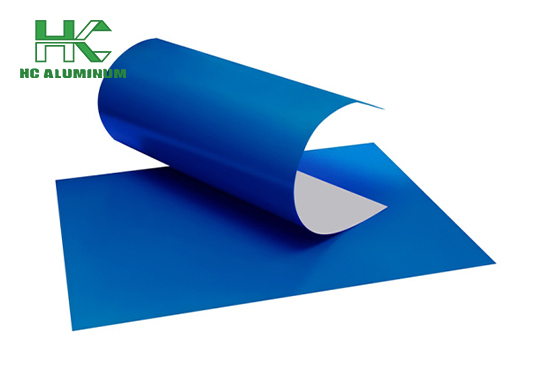
Currently, mainstream negative-working platemaking utilizes 405nm violet laser CTP systems paired with specialized violet laser negative plates. Compared to traditional thermal CTP or PS plate processes, this method is specifically tailored to negative imaging requirements and offers significant advantages.
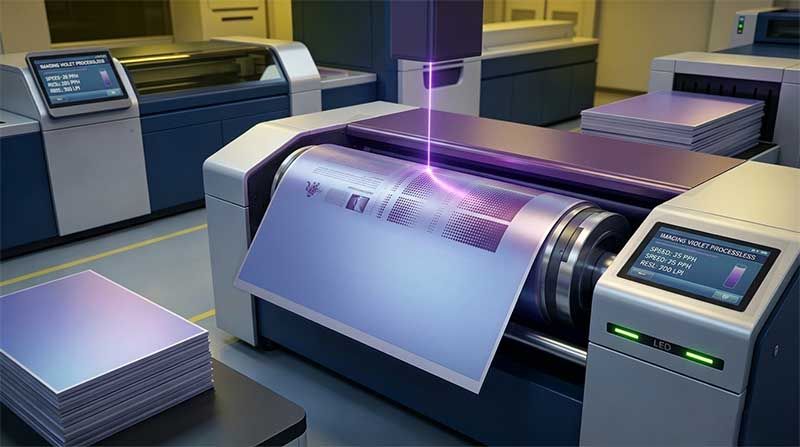
Firstly, the violet CTP plate offers high imaging precision. Violet laser is a short-wavelength visible light laser with excellent beam focus and a uniform, fine laser spot. It precisely triggers the photopolymerization reaction in the negative plate, effectively preventing issues like dot blurring or jagged edges. It supports high-resolution printing up to 200 lpi, fully meeting the high-precision demands of the negative-working process. Additionally, violet laser imaging is highly stable, ensuring consistent results during batch production without variations in image density across plates.
Secondly, it features low operational barriers and broad compatibility. Unlike thermal CTP, which requires darkroom conditions, violet laser CTP plates are suitable for daylight operation. Plate loading and imaging can be performed under standard workshop lighting, eliminating the need for a dedicated darkroom and significantly simplifying the production workflow. Furthermore, these plates are compatible with the vast majority of commercial and newspaper CTP devices on the market, requiring no modifications to existing equipment.
Finally, it offers fast photosensitivity and high productivity. Violet laser negative CTP plates are highly sensitive, enabling platemaking speeds of over 30 plates per hour. This suits both short-run, quick-turnaround jobs and large-batch production, perfectly aligning with the printing industry's current need for efficient output.
2. Process Upgrade: Processless Printing Plates
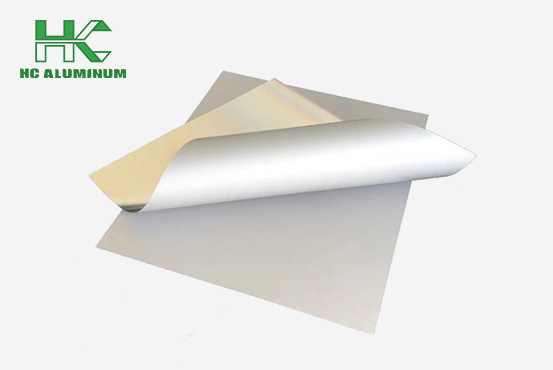
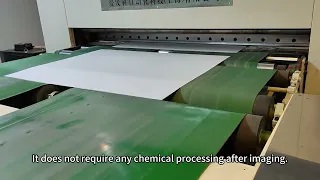
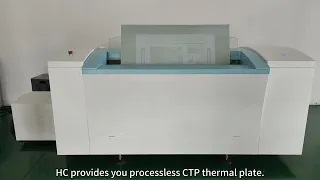
Traditional violet laser negative platemaking still requires chemical processing steps such as developing, rinsing, gumming, and drying. These steps not only generate polluting waste liquids but also risk damaging fine halftone dots during the post-processing stage. The widespread adoption of process less ctp plates has revolutionized traditional workflows, enabling "zero-chemical processing and single-step formation" for negative-working plates.
These processless plates utilize a novel polymer photopolymerization coating based on a simple yet efficient principle: following violet laser exposure, the plate requires no chemical developing or rinsing. During the initial stages of the print run, the unexposed hydrophilic coating is automatically removed through the mechanical action of the fountain solution and ink, directly revealing the hydrophilic non-image areas. Meanwhile, the exposed, cured oleophilic image areas remain stable, meeting the standards for negative-working printing.
Compared to traditional methods, processless plates offer significant advantages. Firstly, the process eliminates chemical consumables—requiring no developer or fixer and resulting in zero liquid waste—thereby meeting green printing standards while drastically cutting costs associated with purchasing consumables and treating waste liquid.
Secondly, the workflow is streamlined; by eliminating multiple post-processing steps, the time gap between plate making and press loading is significantly reduced. This effectively prevents issues such as plate oxidation and scumming, thereby lowering the waste rate.
Thirdly, the plates exhibit superior stability; free from chemical corrosion or damage, they offer more complete dot reproduction, resulting in better tonal gradation and image clarity than traditional plate-making processes.
3. Complete Steps for Producing Negative-Working Prints with Violet Laser Processless Plates
By combining violet laser CTP imaging technology with the characteristics of processless plates, the standardized production workflow for negative-working printing is efficient, controllable, and comprises four main steps:
1) Pre-processing of Artwork
The print original undergoes color calibration, dot optimization, and layout standardization. Image parameters are adjusted to suit negative-working printing requirements, and extraneous noise is removed to ensure the file is compatible with the imaging precision of violet laser plate-making, thereby preventing subsequent imaging defects.
2) Precision Violet Laser CTP Exposure
The processless negative-working CTP plate is loaded into the plate-making equipment. The 405nm violet laser power and scanning speed are calibrated, and laser scanning exposure is performed based on the pre-processed artwork. Areas struck by the laser cure rapidly to form an oleophilic image layer, while unexposed areas retain their original hydrophilic coating, completing the initial imaging of the negative plate.
3) Direct Press Loading and On-Press Automatic Development
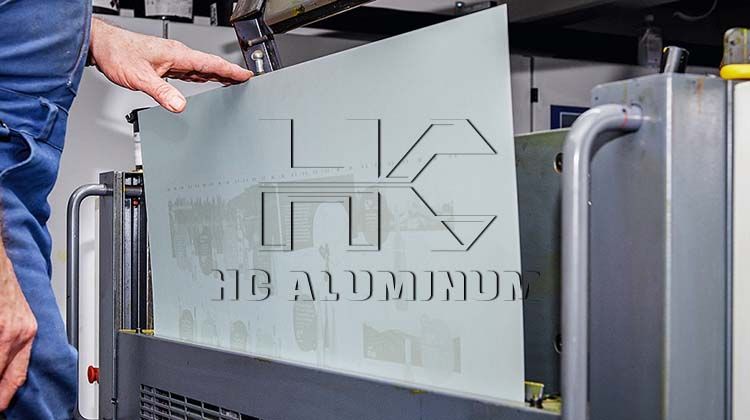
The exposed plate requires no off-line processing and is mounted directly onto the printing press. Upon startup, the interaction between the dampening solution and ink friction automatically removes the hydrophilic coating from the unexposed areas, rapidly forming a stable negative-image printing surface—a process requiring no manual intervention.
4) Trial Printing, Calibration, and Mass Production
Following on-press development, trial prints are sampled and inspected to verify halftone dots, color, and sharpness; once the negative-image quality meets standards, mass production can commence.