A Highlight of UV CTP Plate
UV-CTP technology refers to a technology that uses UV light or UV laser to perform computer direct platemaking on traditional PS plates. At present, UV-CTP platemaking machines basically use high-performance, high-power violet laser diodes for scanning, exposure, and platemaking. What is the feature of UV CTP plate?
Violet laser platemaking is a high-speed millisecond instantaneous exposure at a certain wavelength (mostly 405nm now), so the requirements for UV-CTP plates are much higher. Now UV-CTP technology has been promoted in the printing design and platemaking industry in China and even the world, and its application value is immeasurable.
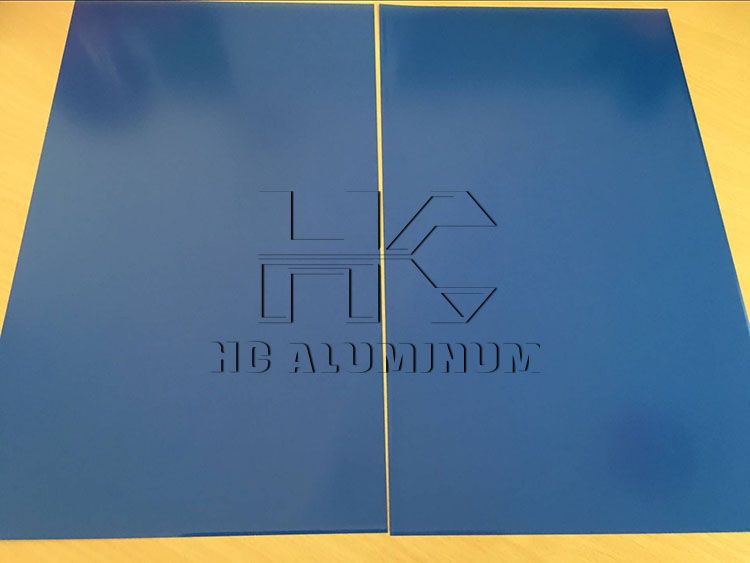
UV-CTP plates are divided into negative and positive types. Negative UV-CTP plates are also called photopolymerization/photocrosslinking UV-CTP plates. The imaging principle is that the light-exposed part of the photosensitive resin layer undergoes polymerization and crosslinking to form an ink-receptive image area; the unexposed part is removed during development to form a hydrophilic non-image area.
Positive UV-CTP plate is also called photodecomposition type UV-CTP plate. Its imaging principle is that the photosensitive resin layer decomposes when exposed to light, and is removed after development processing to form a hydrophilic non-image area; the unexposed part forms an ink-loving image area.
After the photosensitive resin layer of the positive UV-CTP plate is decomposed by light, the coating area that needs to be removed is larger, so it requires a longer exposure time than the negative UV-CTP plate, so its plate making speed is relatively slow.
The negative UV-CTP plate is generally 30% faster than the positive UV-CTP plate of the same sensitivity. In this respect, the negative UV-CTP plate is more suitable for UV-CTP system plate making. However, the positive UV-CTP plate has better dot reduction and stronger development adaptability than the negative UV-CTP plate.
Generally speaking, after the printing plate is baked, its corrosion resistance to ink is improved, so it is suitable for UV printing. For example, the double layer anti-uv ink thermal ctp plate also has good performance in UV CTP printing.
The advantages of special UV CTP printing plates are wear resistance and printing resistance. When the machine is stopped, no protective glue is needed. The old plate can be used again. It is very suitable for the transfer of UV ink. The dot restoration rate is high during the exposure. Basically, 2% of the dots are not lost and 98% of the dots can be distinguished.