Processless VS Conventional CTP Plate
In the offset printing industry, CTP (Computer-to-Plate) technology has long replaced traditional film-based plate making, becoming the industry mainstream. However, with the increasing demand for green printing and high-efficiency production, the processless CTP plate is gradually emerging, forming two major camps with the conventional CTP plates that have been used for many years. Many printing companies struggle with the selection process: what are the differences between the two? Which type of product is currently favored by the market?
Core Definitions
The core function of CTP plates is to form printed images through laser exposure. The essential difference lies in the post-exposure processing:
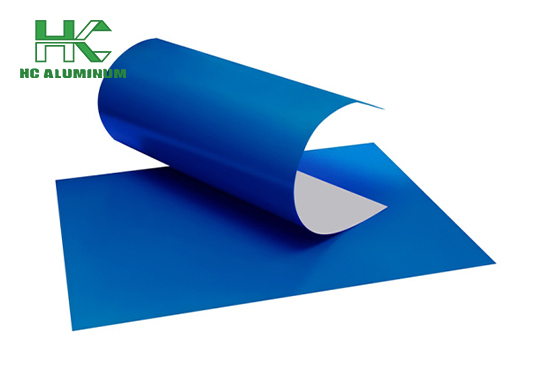
- Traditional CTP plates: After exposure, they must undergo a series of chemical and physical processes such as developing, washing, drying, and applying a protective coating to remove the photosensitive coating on non-image areas, forming a printing plate ready for printing.
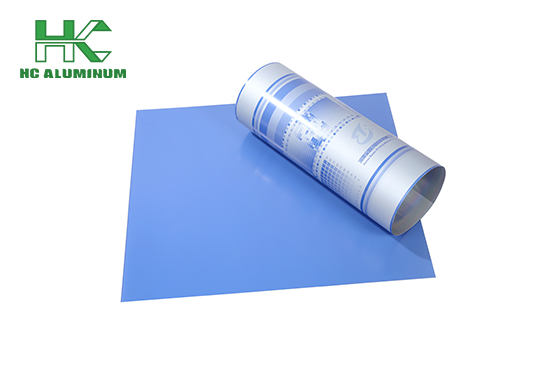
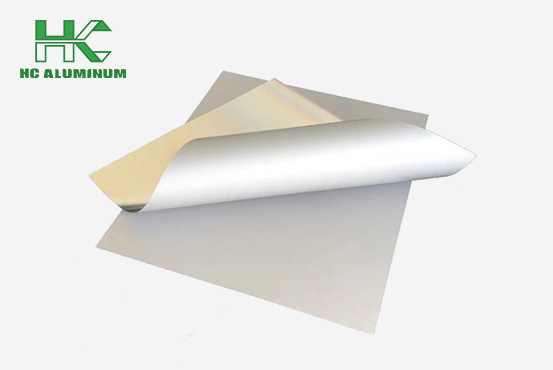
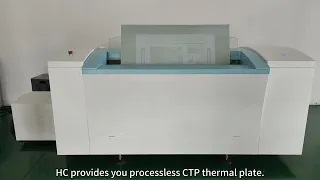
- Process free CTP plates: After exposure, no chemical developing or washing processes are required. In a narrow sense, only simple waste removal and no coating are needed; in a broader sense, they can be directly used for printing, completely eliminating the post-processing steps of traditional plate making.
Five Key Differences
1. Plate-Making Process
Traditional CTP plate-making is a typical "multi-step process": exposure → development (chemical reaction) → washing (removing residual chemicals) → drying → coating. This process is time-consuming and cumbersome, relying on specialized personnel to operate the plate-developing equipment, and prone to problems such as over-/under-development and incomplete washing.
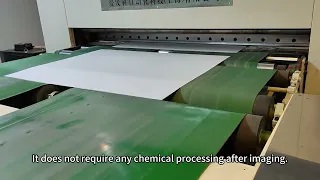
Process-free CTP plate-making is a "one-step process": After laser exposure, the image and hydrophilic areas are directly formed without any chemical treatment. Some models only require simple wiping of waste before printing. Plate-making time is significantly shortened, and the process has zero error risk, making it especially suitable for short-run printing and urgent orders.
2. Environmental Attributes
This is the most fundamental difference between the two and a key factor in industry policy direction. Traditional CTP plate-making consumes large amounts of developer and water, generating chemical waste, wastewater, and waste adhesive during production. This not only requires compliant wastewater treatment (adding extra environmental costs) but also pollutes the workshop environment and harms the health of operators, failing to meet current green printing policy requirements.
Processless CTP plates completely eliminate the chemical developing process, resulting in zero wastewater and zero chemical waste discharge. Waste volume is less than 5% of traditional boards, fully complying with national environmental protection, emission reduction, and carbon neutrality policies. The workshop environment is cleaner, and there are no compliance risks associated with wastewater treatment.
3. Cost-Effectiveness
While the purchase price of process free CTP plates is slightly higher than traditional boards, the overall cost is more advantageous:
- High hidden costs of traditional CTP: Requires the purchase and maintenance of plate-making machines, consumption of developing solutions, protective adhesives, and water, and incurs wastewater treatment fees, electricity costs, and labor costs, leading to substantial long-term expenses.
- Low overall cost of processless CTP plate: It saves plate-making machine purchase and maintenance cost, chemical consumables, water and electricity costs, and wastewater treatment costs. Data shows that using this CTP plate can reduce overall plate-making costs by 30%-35%, resulting in a faster return on investment in the long run.
4. Printing Performance
Traditional CTP plates are technologically mature, offering stable printing durability (typically 150,000-250,000 impressions), accurate dot reproduction, and compatibility with various printing presses. They are suitable for long-run, high-volume printing scenarios. However, batch stability may fluctuate slightly due to the developing process.
Process-free CTP plates have undergone technological iterations, and their printing durability is now approaching that of traditional plates (high-end models can reach over 200,000 impressions). They offer high dot sharpness, stronger batch consistency, and compatibility with mainstream thermal and ultraviolet laser CTP equipment. They can meet the needs of both long-run packaging printing and short-run commercial printing, gradually addressing the shortcomings of traditional plates. HC, wholesale CTP plate supplier, supplies you quality process-free CTP plates.
5. Operation and Maintenance
Traditional CTP requires regular maintenance of the plate-making machine, calibration of developing parameters, and replacement of chemicals, resulting in complex management processes and high technical requirements for operators.
Process-free CTP eliminates the need for equipment maintenance and parameter calibration. The plate-making process is standardized, allowing even beginners to quickly learn and significantly reducing operation and maintenance difficulty and labor costs.
Market Trends
Looking at the global CTP sheet market, tightening environmental policies, technological upgrades, and the industry's demand for cost reduction and efficiency improvement are jointly driving the development of treatment-free sheets as the mainstream trend.
Strict controls on printing wastewater discharge in key regions such as Europe, the US, and Asia Pacific are forcing traditional sheets to exit the market more quickly. Process-free CTP sheets, with their zero-pollution and high-efficiency advantages, are seeing their market penetration rate continue to climb. The global market size exceeded US$5 billion in 2024 and is projected to grow to US$8.5 billion by 2030 at a CAGR of approximately 7.2%.
Meanwhile, breakthroughs in technologies such as nano-coating and thermal imaging are completely addressing the early performance shortcomings of process-free CTP sheets. Their printing durability and adaptability are on part with or even surpass those of traditional sheets. Coupled with the industry trend of fragmented and short-run printing orders globally, process-free CTP sheets have become the core choice for global printing companies' green transformation and cost reduction, continuously squeezing the market share of traditional sheets.