Ctp Violet Plates
What Are Violet-Sensitive CTP Plates?
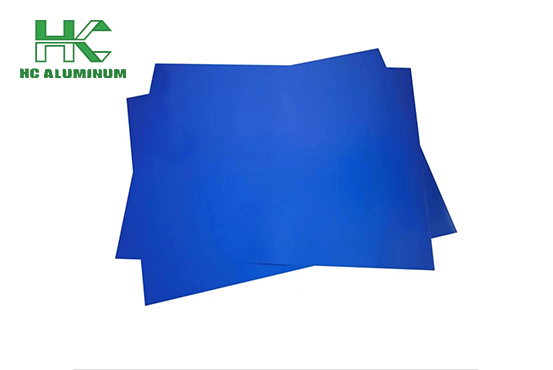
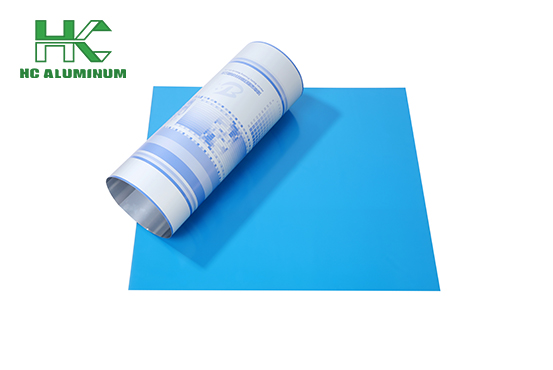
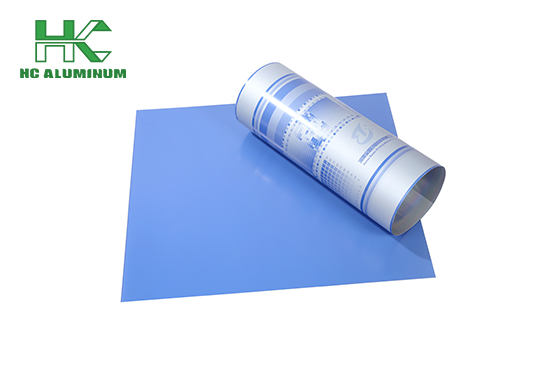
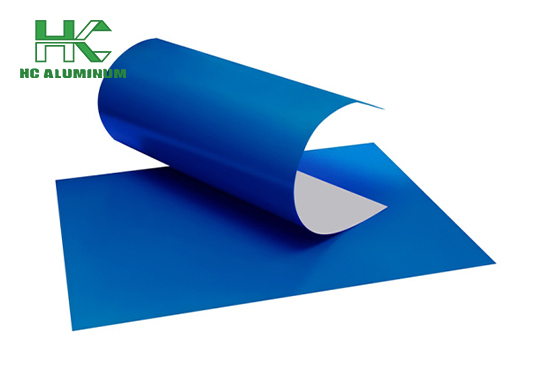
CTP violet plates are offset printing plates designed for imaging with violet laser wavelengths, commonly around 405 nm. They are used in computer-to-plate workflows, where digital page files are imaged directly onto an aluminum plate instead of first producing film. This reduces prepress handling steps and can improve registration consistency.
Violet technology is most often associated with high-sensitivity silver-halide plate systems. These plates can support fast imaging speeds and fine tonal reproduction, making them suitable for commercial printing, newspaper work, book production, and other short-to-medium-run offset applications. Plate chemistry, processing method, and run length depend on the specific product design.
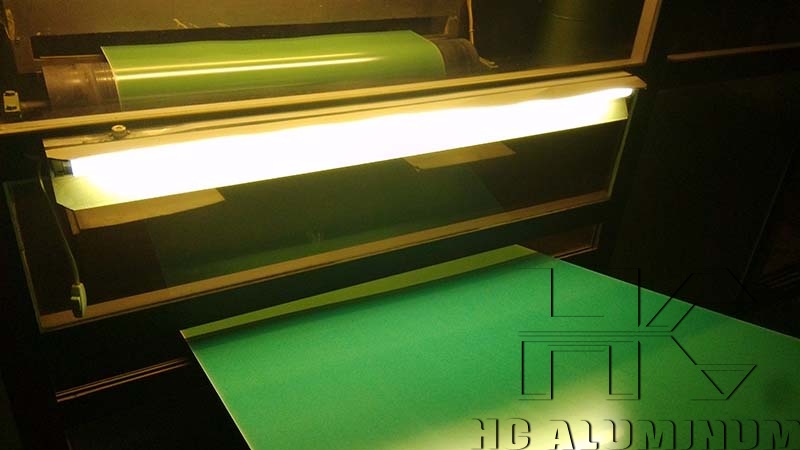
A Violet ctp system should be matched carefully with the imagesetter, processor, fountain solution, ink set, blanket condition, and press requirements. Plates designed for violet exposure are not interchangeable with thermal CTP products simply because both use aluminum substrates.
| Plate Type | Imaging Method | Typical Strengths | Operating Considerations |
|---|---|---|---|
| Violet-sensitive plate | Violet laser, usually 405 nm | High sensitivity, rapid imaging, detailed reproduction | May require dedicated processing and controlled handling |
| Thermal CTP plate | Infrared laser, usually 830 nm | Broad process options, strong daylight handling in many systems | Requires compatible thermal platesetter |
| PS plate | UV exposure through film or conventional exposure system | Familiar workflow and lower entry cost for film-based operations | Additional film and exposure steps |
| CTCP plate | Direct digital UV exposure on conventional-style plate | Practical transition from PS workflows | Compatibility depends on CTCP device and plate coating |
Printing Performance and Process Control
The production workflow generally includes RIP processing, plate imaging, chemical development or gum processing where applicable, rinsing, finishing, and press mounting. Exact steps depend on whether the selected plate is conventional processed, low-chemistry, or processless. Technical data sheets from the plate manufacturer should always govern processor temperature, replenishment rate, transport speed, and storage conditions.
Silver-halide violet plates are valued for their imaging sensitivity. In suitable workflows, this can help maintain throughput on compatible violet platesetters. However, sensitivity alone does not determine press performance. Print stability depends on coating quality, aluminum graining and anodizing, correct exposure, complete development, and consistent press chemistry.
Important evaluation points include:
Resolution and stochastic or conventional AM screen compatibility.
Minimum printable dot and highlight retention under the intended screening workflow.
Resistance to scumming, toning, or premature wear on press.
Run length under actual ink, paper, fountain solution, and wash conditions.
Compatibility with UV, conventional, hybrid, or low-migration inks where needed.
Processor chemistry consumption, bath life, and maintenance frequency.
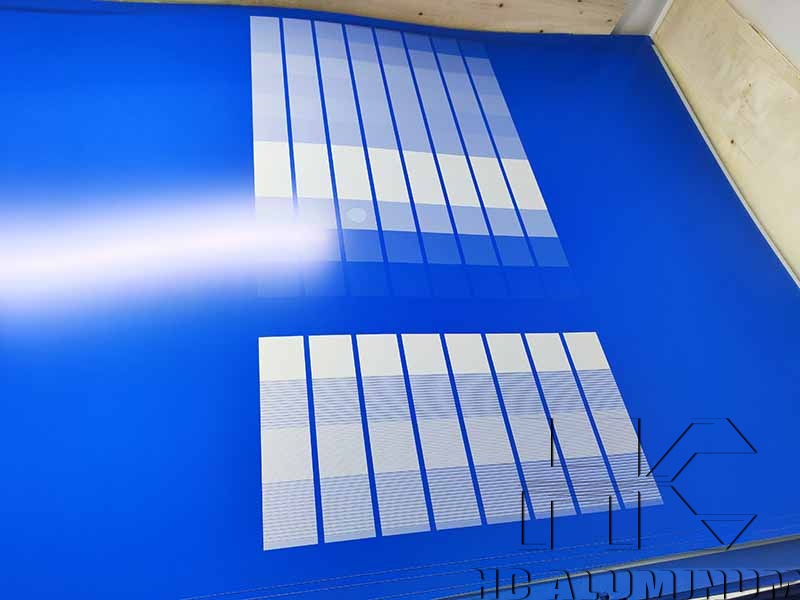
For production approval, conduct a controlled press test rather than relying only on laboratory specifications. Run the plate with the intended substrate range, evaluate solids and highlight dots, inspect non-image areas for contamination, and track performance after wash-ups. For long-run work, assess wear after realistic impression counts instead of using a single short proof run.
Sourcing, Costs, Compliance, and Market Conditions
The landed cost of a plate includes more than its unit price. Bulk purchasing teams should calculate plate yield by usable area, trim loss, damage rate, freight, packaging, processor chemicals, waste treatment, and inventory carrying cost. A lower-priced product can become more expensive if it produces higher remake rates, unstable processing, or shorter press runs.
| Procurement Factor | What to Check | Commercial Impact |
|---|---|---|
| Plate dimensions | Exact width, length, thickness, notch, punch, and grain direction | Prevents mounting errors and unusable stock |
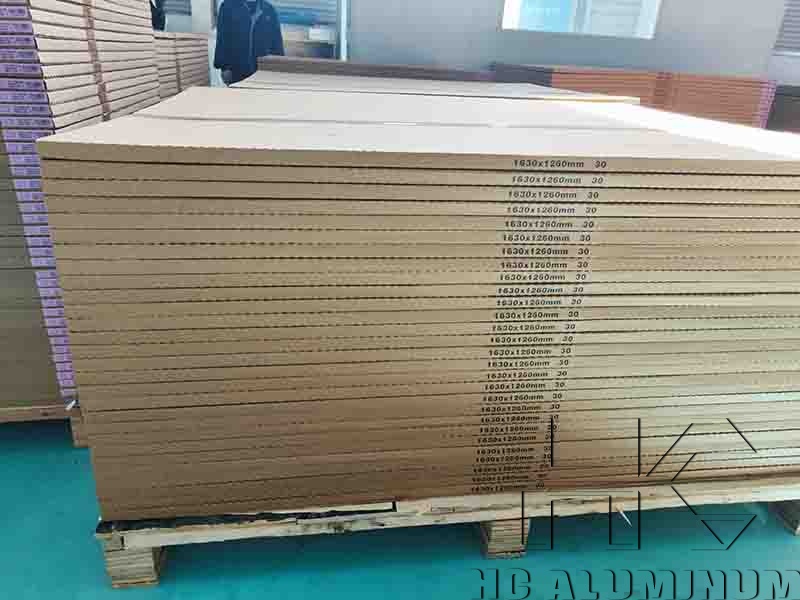
| Packaging | Moisture barrier, edge protection, carton strength, palletization | Reduces transport and warehouse damage |
| Batch consistency | Coating lot traceability and retained quality records | Supports predictable imaging and press results |
| Shelf life | Storage temperature, humidity limits, unopened and opened pack conditions | Reduces aged-stock losses |
| Technical support | Exposure calibration, processor setup, press troubleshooting | Shortens qualification and recovery time |
| Supply continuity | Aluminum sourcing, coating capacity, shipping routes, safety stock | Limits interruption risk during demand spikes |
Plate supply is influenced by aluminum coil availability, energy costs, chemical inputs, regional environmental rules, freight capacity, and consolidation among plate manufacturers. Demand for conventional analog plates has generally faced structural pressure from digital printing and workflow modernization, while offset remains important for many medium and high-volume print categories. This creates a mixed market: demand may soften in some regions while specific sizes, formats, and specialty applications still require dependable supply planning.
Warehousing matters. Store cartons flat, dry, protected from direct light, and within the supplier's stated environmental range. Do not mix older and newer lots without clear FIFO control. Damaged edges, warped plates, or cartons exposed to high humidity can lead to imaging, mounting, or press issues.
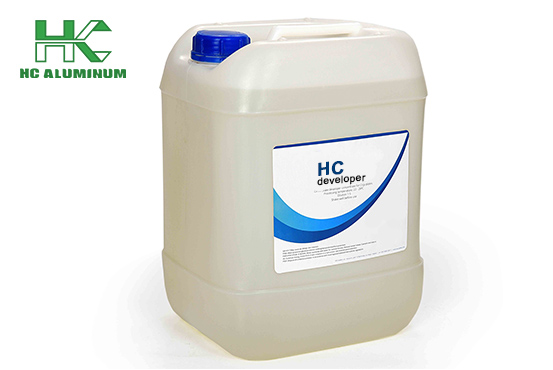
Compliance reviews should cover the plate, developer, replenisher, cleaner, and waste stream, not only the aluminum sheet. Request current Safety Data Sheets, product technical data, transport classification where applicable, and declarations required by the destination market. Facilities operating processed violet systems should verify local obligations for chemical storage, wastewater discharge, used developer handling, worker protection, and documentation. Plate suppliers with lot traceability, consistent packaging, and clear process specifications are better positioned to support stable offset production across recurring orders.