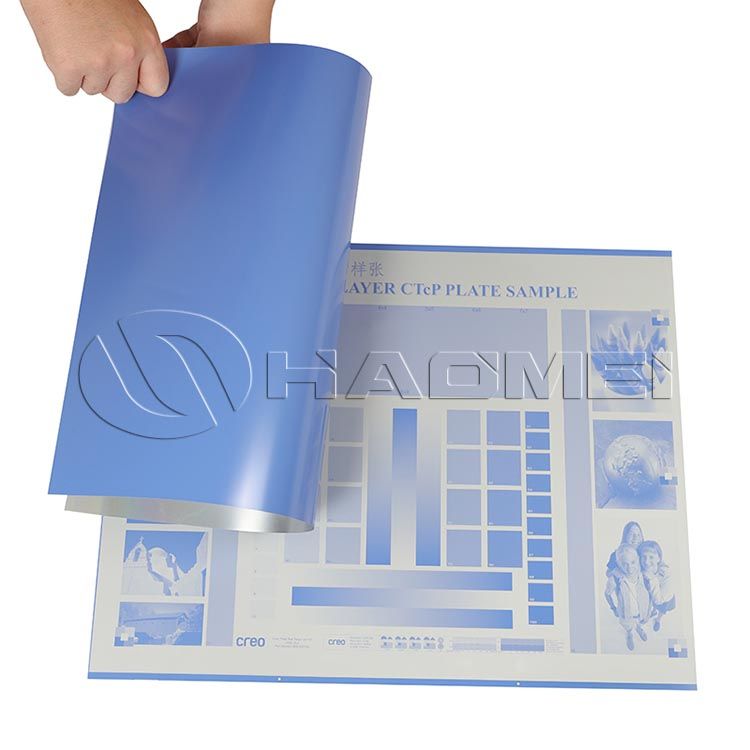
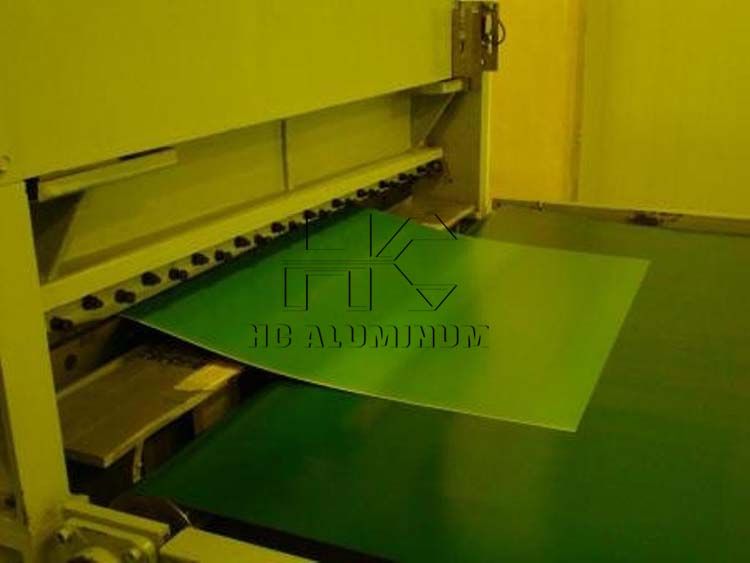
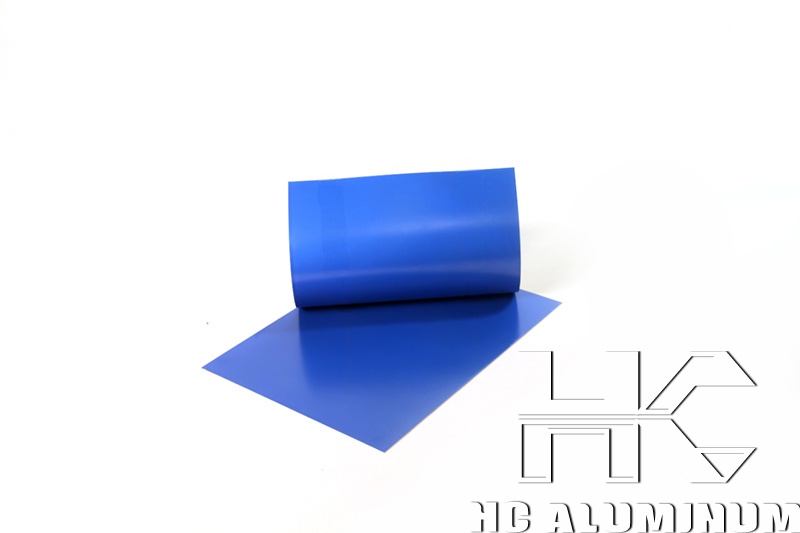
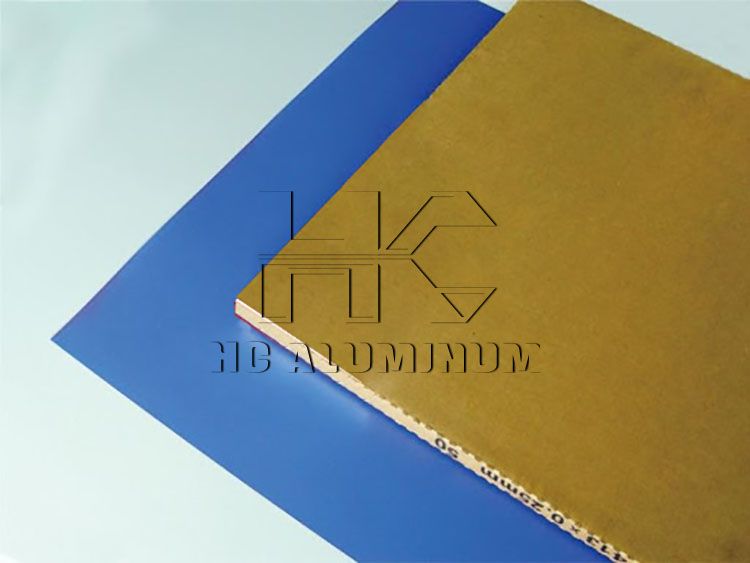
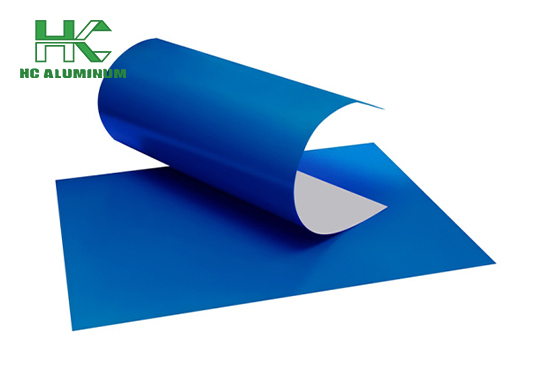
Double Coated Thermal CTP Plate
5 Current Questions About Double Coated Thermal CTP Plate
Public discussions around thermal computer-to-plate technology often focus on practical pressroom decisions: whether a plate can hold fine dots, how it behaves during long runs, and whether processing conditions are difficult to control. The questions below reflect recurring English-language Q&A topics from recent search and industry discussions, with answers written for printing companies evaluating thermal plate options.
| Question | What the print team needs to evaluate |
|---|---|
| Does a double coated plate improve run length? | Coating design, press chemistry, and image coverage matter together. |
| Is exposure more forgiving than with a standard thermal plate? | Laser energy range and processor stability determine consistency. |
| Can it reproduce FM screening and fine text? | Plate resolution, RIP calibration, and press balance all affect results. |
| Does it need different developing conditions? | Check developer type, replenishment, temperature, and dwell time. |
| How should unused plates be stored? | Control heat, humidity, light exposure, and handling damage. |
1. Does a double coated thermal CTP plate really last longer on press?
A double coated thermal CTP plate is designed with two functional coating layers rather than one. In many constructions, the upper imaging layer responds to the thermal laser while the lower layer supports stronger image protection during development and printing. This structure can improve resistance to fountain solution, ink abrasion, and mechanical wear.
However, longer run performance should not be judged by coating design alone. A plate producing 100,000 impressions under controlled conditions may perform very differently with aggressive blanket washing, abrasive paper stock, high alcohol substitution, or poorly balanced fountain solution. Heavy solid coverage and frequent plate cleaning also increase wear.
When comparing products, ask for run-length data under conditions similar to your own press. Confirm whether the stated figure applies to conventional ink, UV ink, low-chemical processing, or standard alkaline development. A realistic test should include the actual screen ruling, image coverage, paper grade, and press speed used in production.
For operations needing added durability, Double Layer CTP products may offer a practical balance between reliable imaging and extended press performance. The most useful comparison is not the highest advertised run length, but the number of stable impressions achieved before highlight loss, scumming, or solid-area wear becomes unacceptable.
2. Is double coated thermal CTP plate exposure easier to control?
Thermal imaging is generally valued because it is less sensitive to ordinary safelight conditions than violet-sensitive technologies. Still, thermal plates require accurate laser energy. Too little energy can cause weak image formation, incomplete development, and loss of small dots. Too much energy can enlarge dots, reduce fine reverse detail, or create unwanted tonal gain.
A double coating can provide a broader operational window, but it does not eliminate the need for calibration. The best practice is to establish an exposure curve after installing a new plate type. Measure solid density, 1 percent to 3 percent highlight dots, microtext, and reverse lines after development and again after a press run.
Do not rely only on the image appearance at the processor exit. A plate may look clean while still carrying marginal image strength. If a job contains fine text, stochastic screening, or light cyan highlights, verify these areas on the printed result. Exposure should be adjusted in small, controlled increments and documented for each platesetter and plate lot.
3. Can a double coated thermal plate handle FM screening and fine-detail work?
Yes, provided that the full workflow is stable. Fine-detail reproduction depends on more than plate resolution. The RIP must produce accurate screening data, the platesetter optics must be in good condition, development must remove non-image coating cleanly, and the press must maintain a controlled ink-water balance.
For FM screening, weak process control often appears as peppering in light areas, blocked microdots, or unstable color during the run. Double coated thermal plates can help because the image layer may retain small dots more securely, particularly when the press uses demanding chemistry. Yet a durable plate cannot compensate for excessive ink film thickness, worn rollers, contaminated dampening solution, or incorrect blanket pressure.
Before approving a plate for high-resolution work, run a test form containing 1 percent through 99 percent tints, positive and negative microtext, fine rules, vignettes, and solid patches. Compare printed dot values against the intended curve. If the plate supports clean highlights at the target screen configuration without premature wear, it is a suitable candidate for detailed commercial work.
4. Does a double coated thermal CTP plate require special processing?
Not necessarily, but compatibility must be verified. Some double coated products are intended for conventional thermal processors and alkaline developer, while others are formulated for reduced-chemistry or processless workflows. Using the wrong developer, temperature, or replenishment rate can cause incomplete development, background contamination, weak image areas, or reduced press life.
Ask the manufacturer for the recommended processor settings, including developer temperature, developing time, conductivity or replenishment target, rinse condition, and gum application. Then compare those values with your current equipment capability. A plate that performs well in a laboratory may become inconsistent when processor rollers are worn or developer activity is poorly maintained.
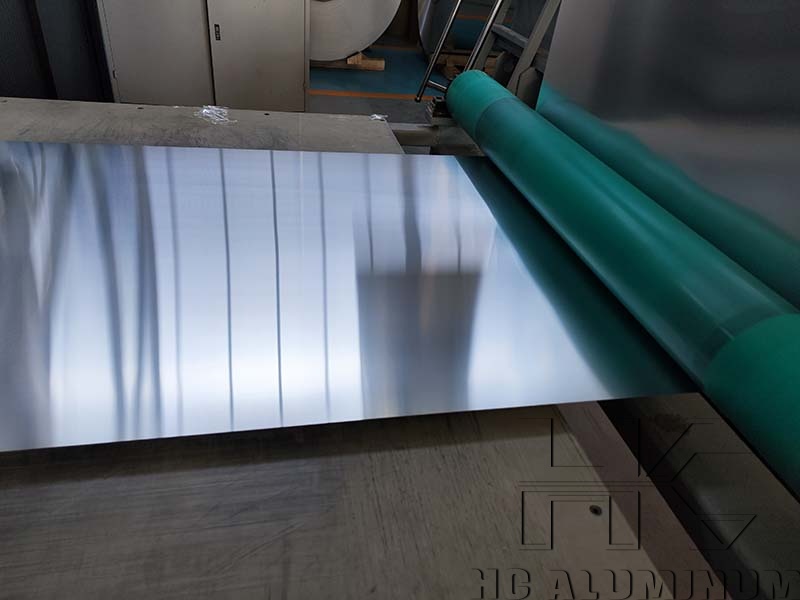
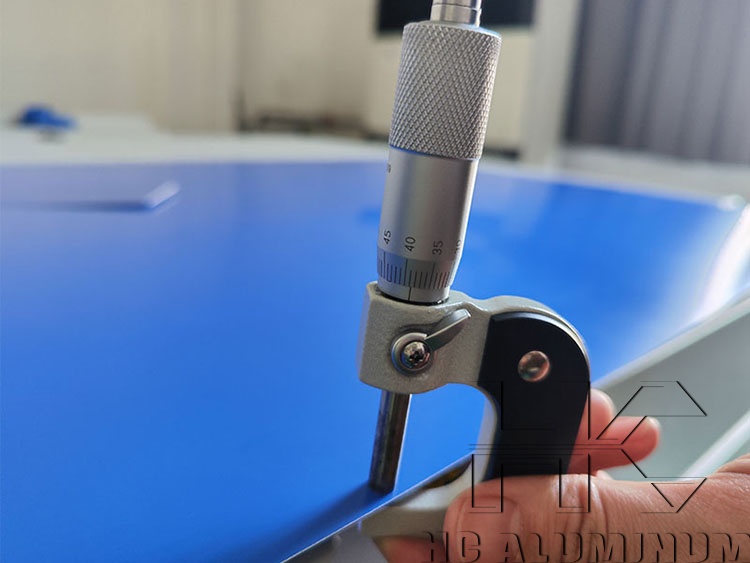
Plate thickness also affects handling and press setup. Confirm that the selected material works with your plate punch, bending system, and cylinder clamps. This is especially important where registration accuracy and fast changeovers are essential.
5. What storage practices protect unused double coated thermal CTP plates?
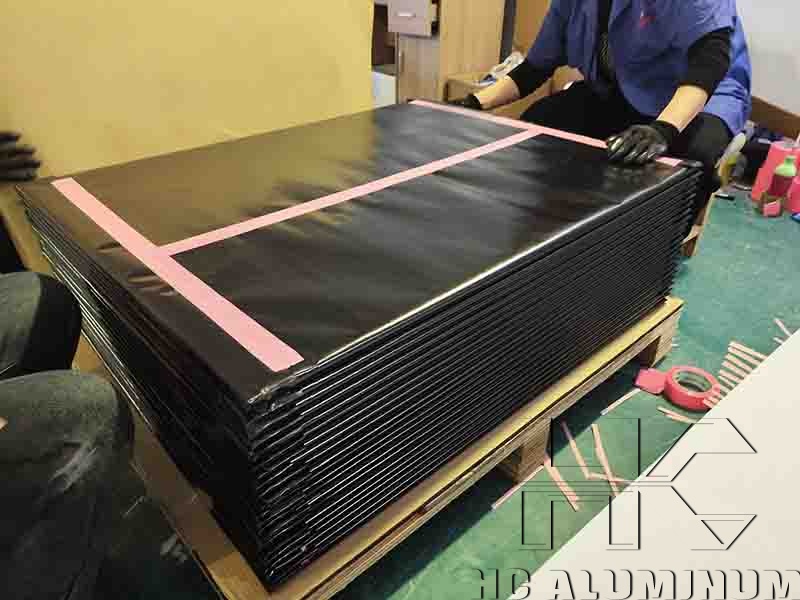
Storage problems can quietly create imaging defects before a plate reaches the platesetter. Heat and humidity can affect coating stability, while careless handling may scratch the surface or damage edges. Keep unopened packages in a clean, dry area away from direct sunlight, heaters, and high-moisture zones.
Allow plates to acclimatize to the pressroom environment before opening the package if they have been moved from a cooler warehouse. Sudden temperature changes can cause condensation, which may interfere with imaging or development. Handle plates with clean gloves where possible, avoid contact with oily surfaces, and keep them away from dust-producing operations.
For companies assessing a new Double Layer CTP specification, record package date, storage conditions, exposure settings, processor readings, and press results during the first few production jobs. These records make it easier to distinguish a plate issue from a change in chemistry, imaging energy, or press condition.
Different Requirements For CTP Printing Plates in Long-Run and Short-Run Printing