What Are Types of PS Printing Plates?
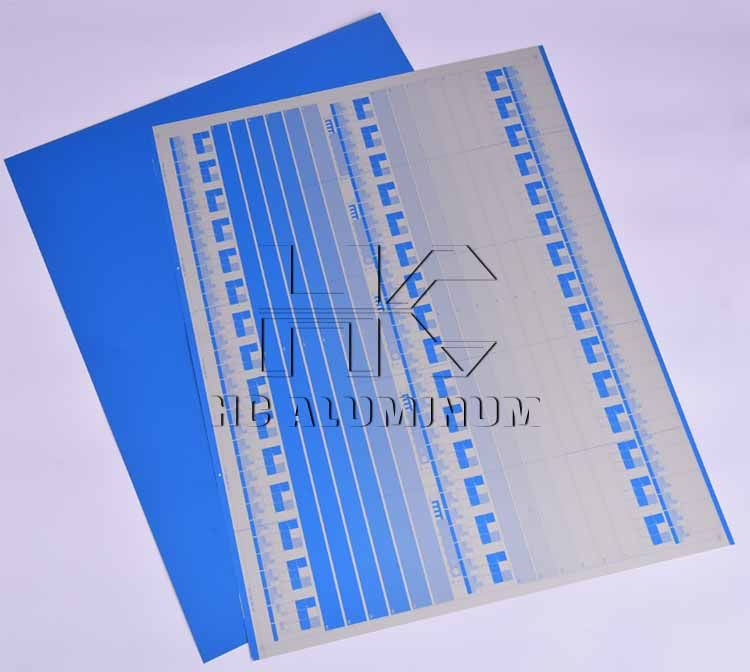
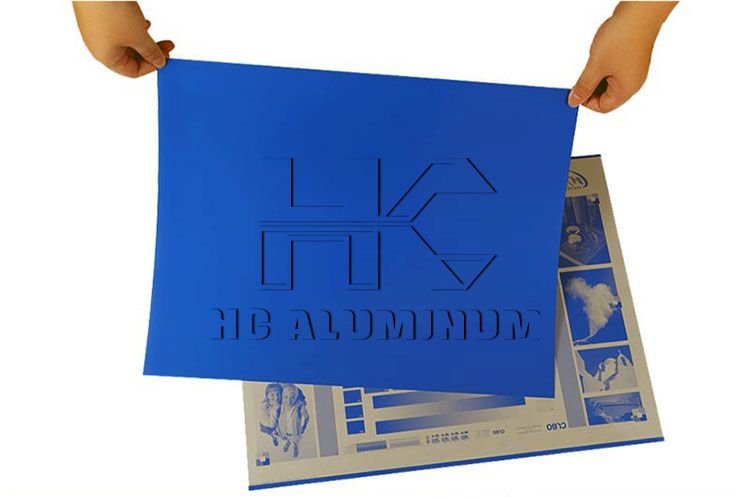
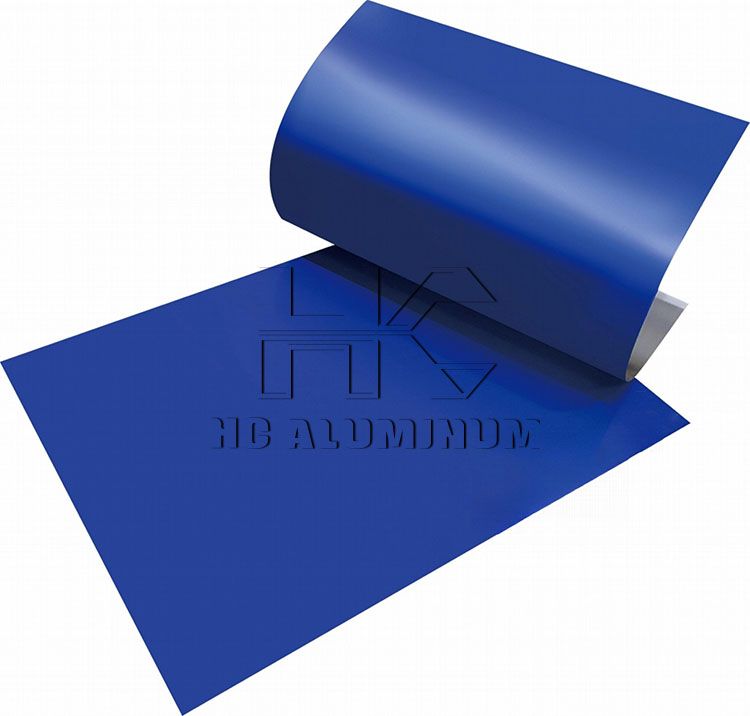
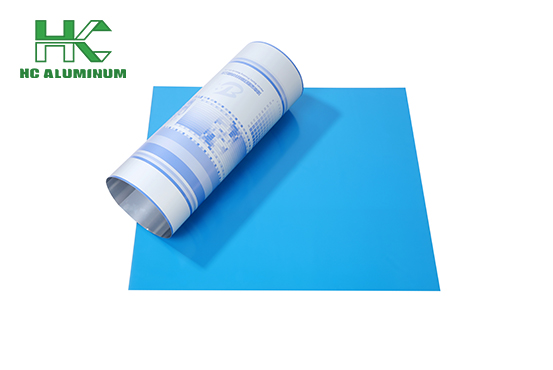
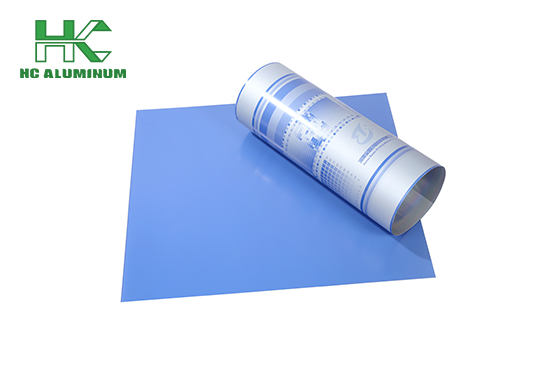
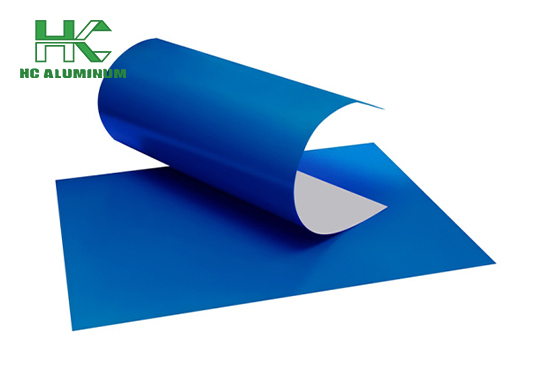
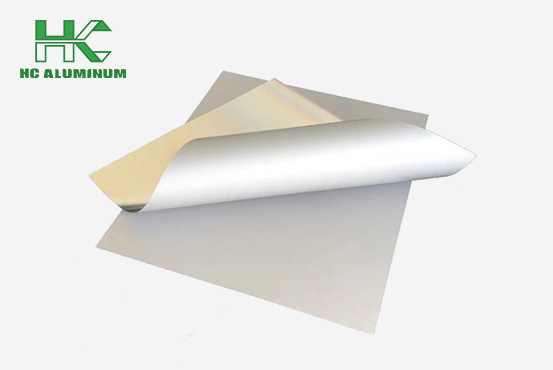
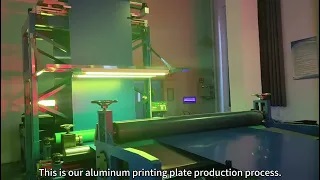
PS printing plate, short for "Presensitized Plate", means pre-coated photosensitive plate. Its base is usually a specially treated aluminum plate, such as aluminum plates of different thicknesses such as 0.5mm, 0.3mm, and 0.15mm. After electrolytic roughening, anodizing, sealing and other treatments, a photosensitive layer is coated on the plate surface to make a pre-coated plate. This printing plate uses the principle of photosensitization and plays a key role in the printing process.
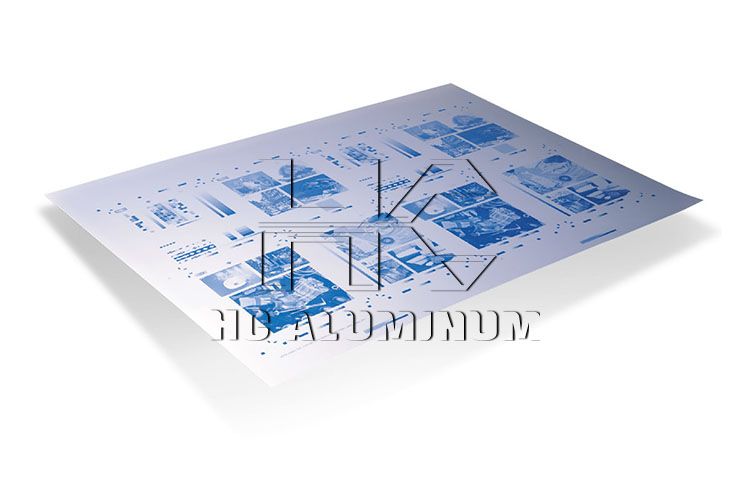
Types of PS plate
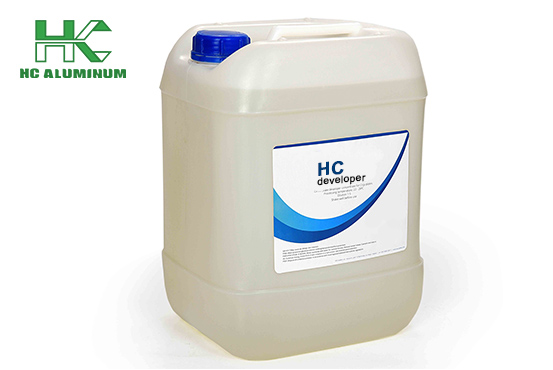
Positive PS plate: During exposure, the part exposed to light undergoes a photodecomposition reaction to form an insoluble substance, while the unexposed part remains soluble. During the development process, the unexposed soluble part is removed, leaving the exposed and hardened part to form the oleophilic image part. It is suitable for printing fine lines and small fonts because it can accurately present details, making the text and lines of the printed product clearer and sharper.
Negative PS plate: In contrast to the positive type, after exposure, the exposed part remains soluble, while the unexposed part hardens and becomes an insoluble substance. During development, the exposed soluble part is removed, leaving the unexposed hardened part to form the image. This PS plate is more suitable for printing large areas of solid color, which can ensure the uniformity and thickness of the color.
Thermal PS plate: This type of PS plate uses the principle of thermal imaging to form images through heat energy rather than light. It performs well in high-speed, high-volume printing scenarios, such as large-scale commercial printing, and can quickly and stably complete a large number of printing tasks, improving production efficiency.
Applications
Commercial printing: PS plates are widely used in the production of printed materials such as books, brochures, posters, etc. It can present clear text and exquisite images, ensure the high quality of printed materials, and meet the needs of commercial publicity and cultural communication.
Packaging printing: Whether it is a carton, packaging bag or label, the PS plate can be perfectly adapted. It can print a variety of exquisite patterns and texts to enhance the attractiveness of product packaging while ensuring the accurate communication of packaging information. For example, the nutritional information table on food packaging, the brand logo on daily necessities packaging, etc.
Label printing: PS plate also plays an important role in product label printing. It can print high-precision barcodes, product descriptions and other information to ensure the readability and accuracy of labels and meet the needs of product identification and traceability.
Features of PS plate
High cost-effectiveness: Compared with some other printing plates, the production cost of PS plate is relatively low, which makes it more cost-effective in the printing industry and can save costs for enterprises.
High printing quality: PS plate has fine sand mesh, can form smooth and complete dots, has good gradation and color reproduction, can realistically restore the color and details of images and text, and make the printed products more exquisite.
Good durability: The properly treated positive PS plate has high wear resistance and corrosion resistance, can withstand a certain number of printings, prolongs the service life of the plate, and reduces the trouble and cost of frequent plate replacement.
Environmental advantages: The aluminum base of PS plate can be recycled and reused. With the increasing environmental awareness today, this feature makes PS plate more popular and in line with the concept of sustainable development.