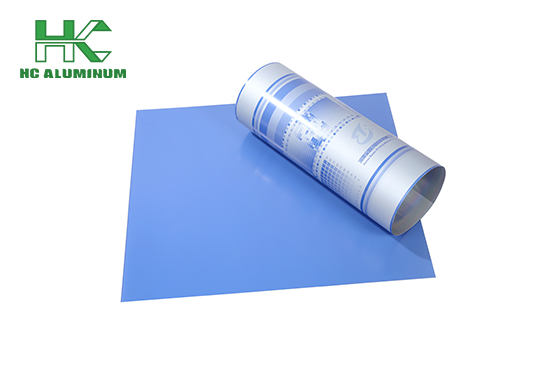
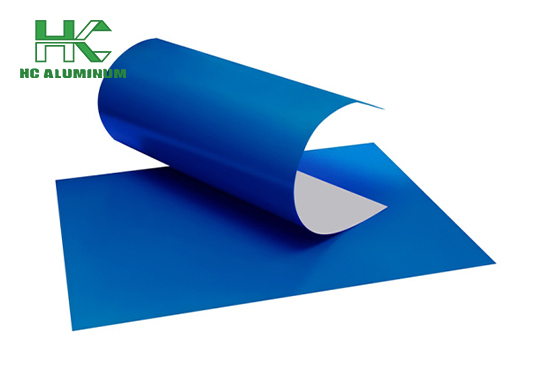
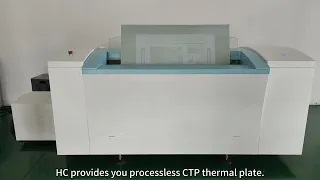
Thermal CTP Plate Long Run Length
Holiday campaigns compress print schedules. Retail packaging, gift boxes, labels, sleeves, and promotional inserts must ship on time, often in one concentrated window before Christmas, Black Friday, New Year, Ramadan, or regional peak sales events. For converters and printers serving these programs, one concern usually matters most: run length stability.
If a plate fails early, the cost is not limited to plate replacement. It can mean press stoppage, color drift, remake waste, and missed delivery slots. That is why thermal CTP plate long run length is not just a plate specification. It is a practical holiday solution for plants running high-volume jobs under fixed deadlines.
Why long-run thermal plates matter in holiday production
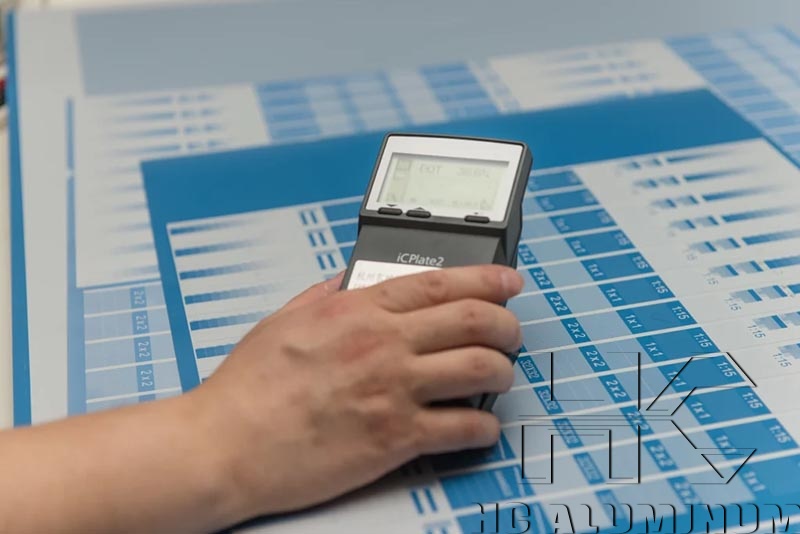
A thermal plate is imaged by a thermal laser, typically at 830 nm. In offset printing, thermal systems are widely used because they are known for stable imaging, good repeatability, and resistance to ambient light compared with some visible-light alternatives. For holiday production, these traits help when schedules are tight and repeat jobs are common.
Industry references such as Kodak, Fujifilm, and Agfa product documentation show that actual run length depends on press conditions, ink system, substrate, chemistry or processless setup, and whether post-baking is used. In practice, manufacturers often state run-length ranges rather than one fixed number. This is the correct way to evaluate performance.
A useful purchasing rule is this:
| Print scenario | Typical plate requirement | Why it matters during holiday peaks |
|---|---|---|
| Short campaigns, frequent version changes | Fast imaging and easy handling | Reduces prepress delay |
| Medium carton and insert runs | Stable dot reproduction | Limits color correction time |
| Long uninterrupted packaging runs | High wear resistance | Prevents press stops and remakes |
| UV ink or abrasive stock environments | Higher durability specification | Protects consistency on difficult jobs |
For seasonal jobs, the strongest value of a durable CTP plate is predictable output over the full run, not just a headline number on a datasheet.
What to check before ordering
Long run length claims should be checked against verifiable operating conditions. Ask suppliers for tested parameters, not general promises.
1. Confirm the run-length test basis
Use this checklist when comparing offers:
Plate type: thermal, processless, chemistry-based, or UV-compatible
Stated run length on paper and on board
Whether the figure requires baking
Imaging energy range and recommended setter compatibility
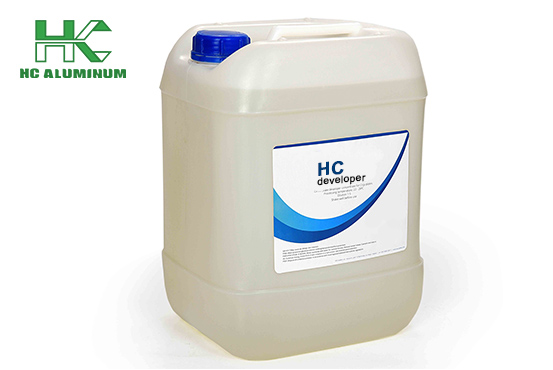
Developer type, replenishment rate, and processing window if chemistry-based
Resistance under conventional ink and UV ink
Storage conditions and shelf life
Grain and anodizing consistency of the aluminum base
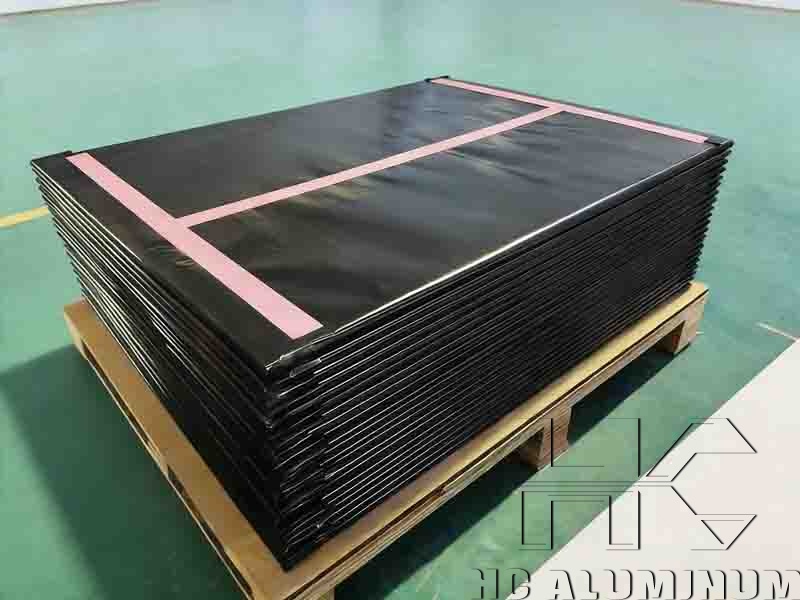
Because this audience works with aluminum sheet, strip, coil, foil, and circle at scale, the substrate side will be familiar: base quality affects coating performance. Plate-grade aluminum usually requires tight gauge control, clean surface quality, and consistent electrochemical treatment to support image layer adhesion and long press life.
2. Match plate durability to the holiday job type
Not every seasonal print order needs the highest possible endurance. Over-specifying raises cost. Under-specifying raises downtime risk.
Use this quick comparison:
| Job type | Recommended focus | Procurement question |
|---|---|---|
| Gift box packaging | Abrasion resistance on board | How does the plate perform on coated board? |
| Promotional inserts | Image sharpness and repeatability | What dot retention data is available? |
| Label backers or sleeves | Chemical compatibility | Is the plate suitable for UV or hybrid inks? |
| Repeat festive packaging | Batch consistency | Are coating and aluminum base traceable by lot? |
3. Ask for process control data
Credible suppliers should provide measurable indicators such as:
Sensitivity or exposure range
Resolution and FM/AM screening capability
Development latitude
Run length under defined conditions
Recommended gum, developer, and storage practice
If a supplier cannot define the testing conditions behind a long-run claim, the number has limited value.
Turning plate performance into a holiday solution
A holiday solution means solving the operational pain points around peak demand. For long-run thermal plates, the value is practical and measurable.
Problem: Peak-season remakes disrupt the whole schedule
When presses stop for plate wear, high-volume jobs lose time first, then shipping windows.
Solution: Specify a thermal plate with verified endurance under the actual ink and substrate combination. For carton and packaging programs, request performance references for coated board or similar abrasive stock.
Problem: Versioned festive packaging creates prepress pressure
Holiday graphics often change by market, language, or promotion period.
Solution: Choose a thermal system with consistent imaging latitude. A stable CTP plate reduces adjustment time across repeated plate sets and helps maintain image fidelity between versions.
Problem: Cost control gets harder when run lengths are uncertain
A lower plate price can become more expensive if remakes, press downtime, and labor are added.
Solution: Compare total operating cost, not plate unit price alone.
| Cost item | Lower-priced unstable option | Long-run thermal option |
|---|---|---|
| Plate consumption | Higher | Lower if runs complete as planned |
| Press stoppage risk | Higher | Lower |
| Color reset labor | More frequent | Less frequent |
| Waste sheets/board | Higher | Lower |
| Delivery risk in holiday window | Higher | Lower |
This is especially relevant for high-volume packaging supply chains tied to retail promotion calendars. Missing a launch week can damage the economics of the whole campaign.
A practical sourcing checklist for aluminum-focused purchasers
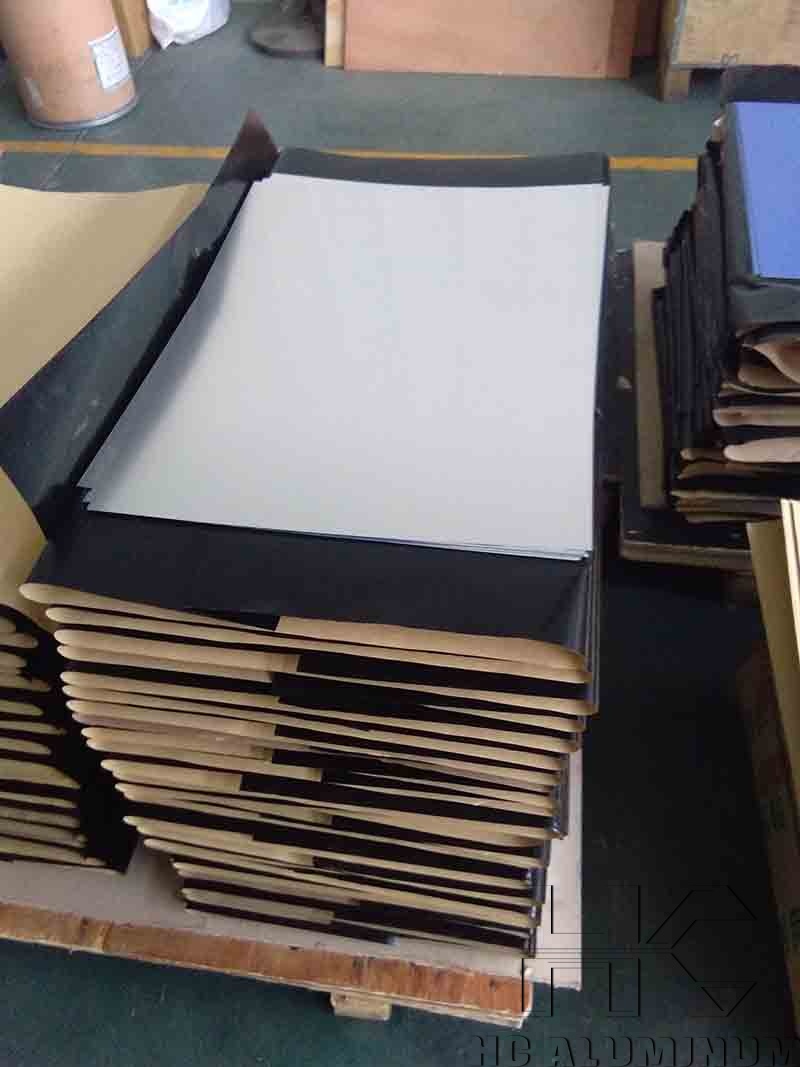
If you already source aluminum materials in volume, evaluate thermal printing plates with the same discipline used for industrial rolled products.
Verify aluminum base origin and consistency
Request coating process control information
Check whether run length is stated with or without baking
Confirm compatibility with your plate setter wavelength and processor setup
Ask for storage, transport, and shelf-life requirements
Compare cost per completed print run, not only cost per plate
Review supply continuity before major holiday demand periods
Test on your own press with your board, ink, fountain solution, and speed
Holiday timing also matters. For year-end campaigns, plate qualification should start well before Q4 demand spikes. For Ramadan or regional gifting seasons, align testing with the local packaging production calendar, not the consumer holiday date. That reduces the risk of qualifying a plate when converter capacity is already full.
For channel strategy, thermal long-run plates are best positioned through direct technical sales, converter account management, and pre-season planning with packaging printers. These channels support specification review, trial scheduling, and repeat-order forecasting better than broad promotional messaging alone.
When the priority is uninterrupted high-volume output, thermal CTP plate long run length should be evaluated as a production safeguard. In holiday packaging, that translates into fewer stoppages, steadier print quality, and better delivery confidence under compressed schedules.