Thermal Ctp Plate
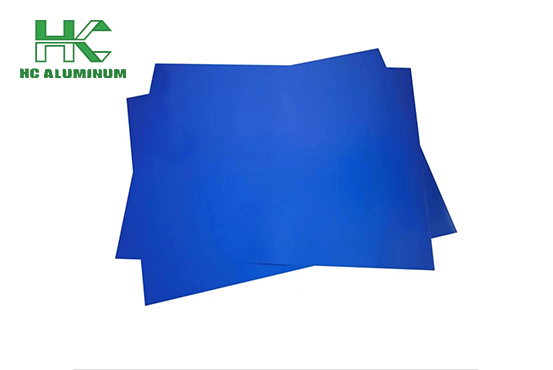
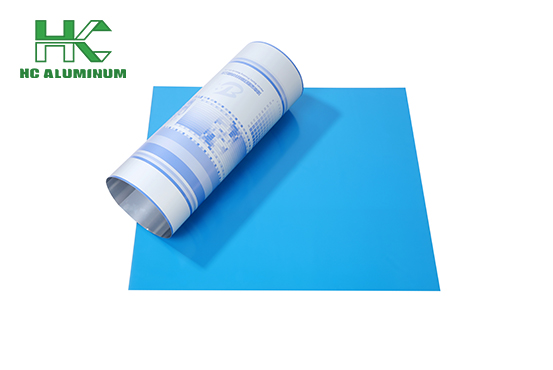
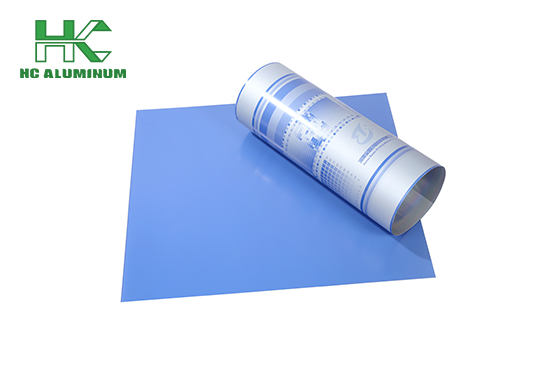
Thermal CTP plate is a core consumable in modern offset printing. For commercial printers, packaging plants, and trading companies sourcing at volume, plate selection affects imaging stability, press uptime, chemistry control, waste rates, and total production cost. Compared with earlier analog PS plates and some CTCP workflows, thermal imaging is widely adopted because it offers strong dot reproduction, reliable handling under white light conditions, and broad compatibility with mainstream plate setters.
What it is and how it works
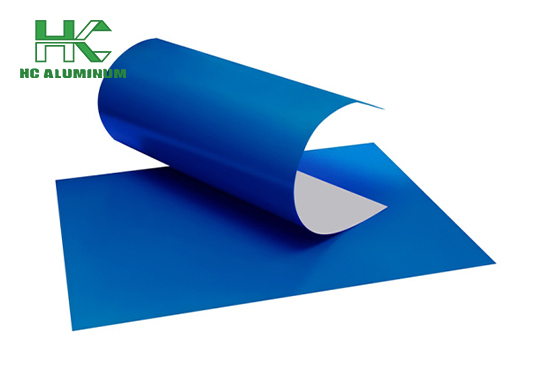
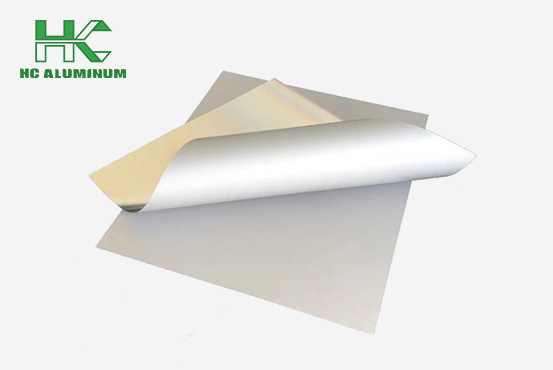
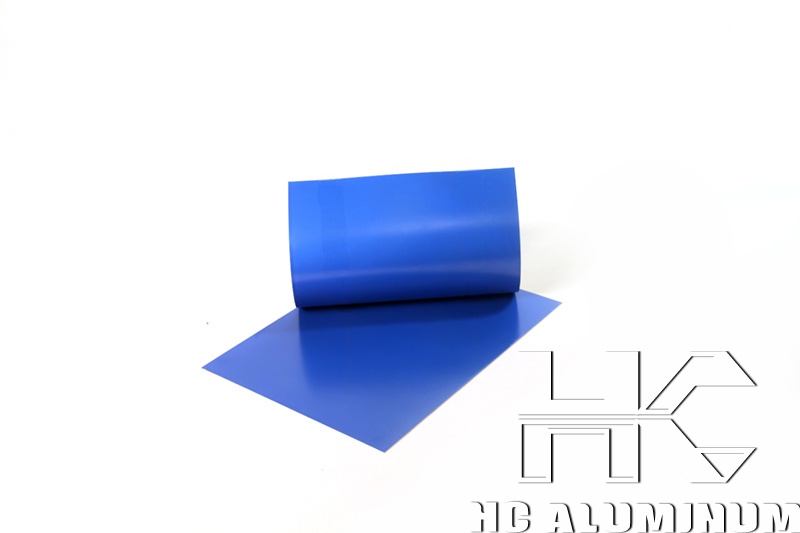
A thermal plate is an aluminum-based offset plate coated with a heat-sensitive layer that responds to a laser, commonly at 830 nm. In computer-to-plate production, image data is written directly onto the coating by the platesetter. After exposure, the plate usually goes through processing, where non-image or image areas are removed depending on plate design. The result is a printable surface with hydrophilic non-image areas and ink-receptive image areas.
In procurement practice, common categories include process plates, processless variants, and UV-ink compatible grades. A standard CTP plate for sheetfed commercial work may differ from a packaging grade intended for longer runs, stronger chemical resistance, or hybrid ink systems. Because of this, buyers should confirm not only gauge and size, but also developer compatibility, exposure latitude, safelight conditions, and run length under actual press conditions.
The basic production flow is straightforward:
| Stage | Main purpose | Typical control point |
|---|---|---|
| Plate loading | Avoid scratches and static | Temperature and humidity |
| Laser imaging | Create accurate latent image | Energy setting, drum cleanliness |
| Processing or finishing | Develop image structure | Developer activity, conductivity, temperature |
| Gumming | Protect plate surface | Gum coverage, drying |
| On-press printing | Transfer image to blanket | Fountain balance, ink setting |
For high-volume operations, consistency matters more than headline sensitivity numbers alone. A plate with slightly lower nominal speed but wider processing latitude can reduce remakes and improve production predictability.
Printing performance, application, cost and compliance
The main performance indicators are imaging sensitivity, resolution, dot fidelity, run length, chemical resistance, and background cleanliness. For commercial printing, thermal products are valued for stable highlights, controlled midtones, and reduced variability across long jobs or repeat orders. On a well-maintained line, they can support fine-screen work, FM screening in suitable conditions, and dependable registration.
Typical applications include:
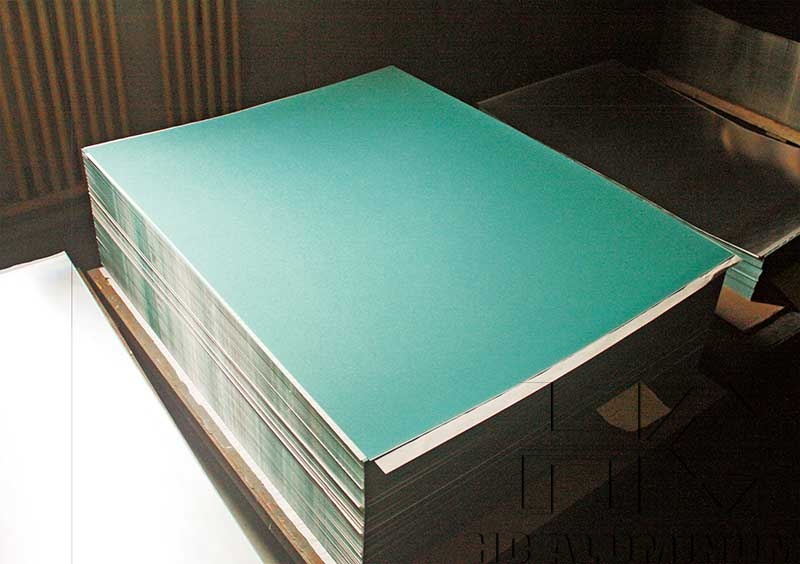
Sheetfed offset for books, brochures, catalogs, manuals, and promotional materials.
Web offset for publications and certain high-volume print products.
Carton and packaging work where stronger press endurance is needed.
UV printing, if the selected grade is designed for UV or H-UV systems.
Run length varies by brand, press chemistry, paper, and ink system. Under standard commercial conditions, many thermal grades are used from medium to long runs, while baked or specialized versions can extend durability significantly. In real purchasing decisions, it is better to request test data based on the intended substrate and ink set than to rely only on catalog claims.
Cost evaluation should include much more than plate unit price. Bulk purchasers usually assess total plate cost through five elements:
| Cost item | What to check |
|---|---|
| Plate purchase price | Size, gauge, coating type, MOQ |
| Imaging efficiency | Sensitivity, loading speed, remake rate |
| Processing cost | Developer consumption, replenishment, maintenance |
| Press cost | Startup waste, water balance, cleaning frequency |
| Logistics cost | Packing strength, pallet pattern, delivery lead time |
A lower-priced product can become expensive if it causes more plate remakes, shorter bath life, excessive processor cleaning, or unstable startup on press. This is why many plants run side-by-side tests before approving a new source.
Supply chain reliability is equally important. Aluminum coil, coating chemistry, packaging materials, and logistics all influence availability and price. Plate pricing often follows aluminum market movement, energy costs, environmental compliance expenses, and regional freight conditions. During tight supply periods, stable manufacturers with strong coating capacity and export experience usually perform better in lead time control.
For compliance, purchasers often review ISO-related quality systems, REACH or similar chemical management requirements, SDS documentation, packaging labels, and local transport rules for chemistry. If the plate will be sold into regulated markets, batch traceability and consistent technical documentation are valuable. Processless or chemistry-reduced options may also support environmental targets, but they should still be verified for press cleanliness and waste performance in the actual workflow.
Where operations need broader comparison across conventional and digital prepress materials, many sourcing teams benchmark thermal products against CTP plate alternatives based on run length, processing burden, and compatibility with installed equipment.
Market trend, purchasing focus and practical selection points
The market has shifted from purely price-driven sourcing to cost-per-printed-sheet thinking. In many regions, thermal technology remains the reference standard for offset prepress because of installed equipment base, operator familiarity, and dependable imaging quality. At the same time, several trends are shaping procurement:
Chemistry reduction. Printers aim to lower developer usage, water consumption, and processor maintenance.
Packaging growth. Carton and label-related demand supports stronger interest in durable, high-performance plate grades.
Supply diversification. Importers and converters often qualify more than one origin to reduce disruption risk.
Compliance pressure. Environmental and workplace safety documentation is becoming a normal requirement, not an extra advantage.
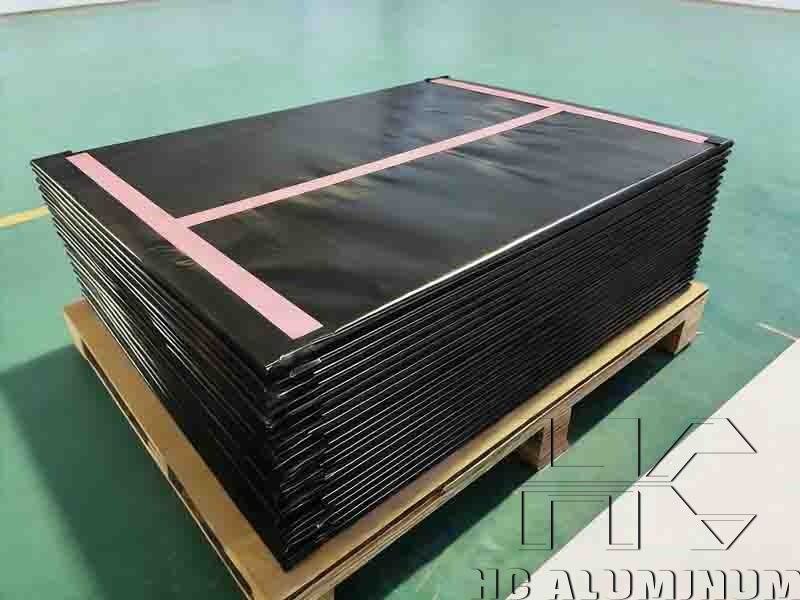
When selecting a supplier, practical questions usually include:
Is the plate fully compatible with the installed platesetter brand and laser wavelength?
What developer and replenishment settings are recommended?
What is the shelf life under normal warehouse conditions?
How stable is quality across batches?
Can the supplier provide trial support, COA, and technical service response?
Is packaging suitable for humid or long-distance shipping?
For bulk purchasing, the most useful evaluation method is a controlled trial covering imaging, processing, startup sheets, toning resistance, and actual run length. The best result is not always the fastest plate or the cheapest plate, but the one that delivers the most stable output with the lowest overall operating burden. In a mature offset environment, that is often the factor that separates a workable supply source from a long-term one.