Ps Plate Offset Printing
PS Plate Offset Printing: 5 Hot Questions New Buyers Are Asking
Potential users researching ps plate offset printing often ask the same practical questions before placing a trial order. Most of them focus on print quality, plate life, compatibility, storage, and price differences. The answers below are written for people comparing options for their first or next PS Plate purchase.
Hot Questions About PS Plate Offset Printing
| Question | Why People Ask It | Short Answer |
|---|---|---|
| What is a PS plate in offset printing? | New users want to know whether it is still relevant. | It is a presensitized aluminum printing plate used in conventional offset workflows. |
| How many impressions can a PS plate print? | Users need to estimate running cost. | It depends on coating quality, press conditions, ink, paper, and baking if applied. |
| Why does my PS plate scum or lose dots? | Print defects affect production stability. | Usually a mix of exposure, development, fountain solution, or plate quality issues. |
| How should PS plates be stored before use? | Storage affects shelf life and waste rate. | Keep them cool, dry, flat, and sealed away from heat, humidity, and light. |
| Why do PS plate prices vary so much? | Price gaps create sourcing confusion. | Aluminum base quality, coating consistency, grain, oxidation, and packaging all matter. |
1. What Is A PS Plate In Offset Printing, And Is It Still Used?
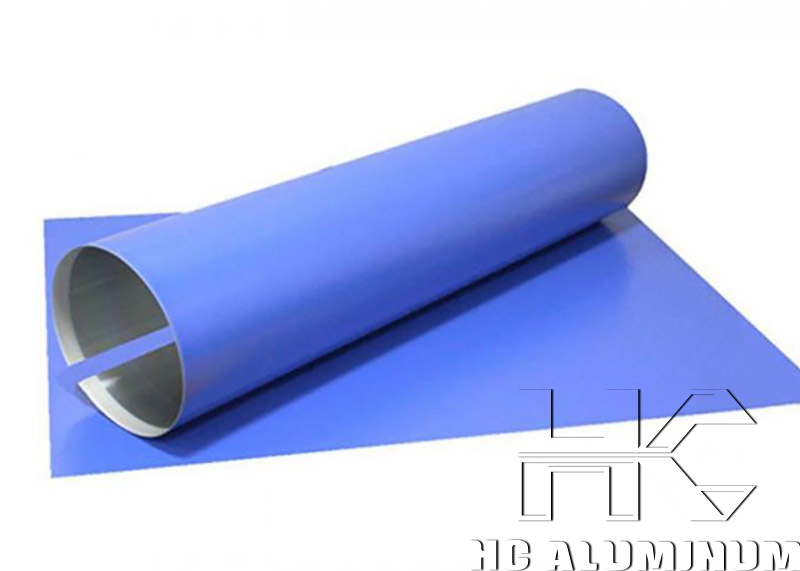
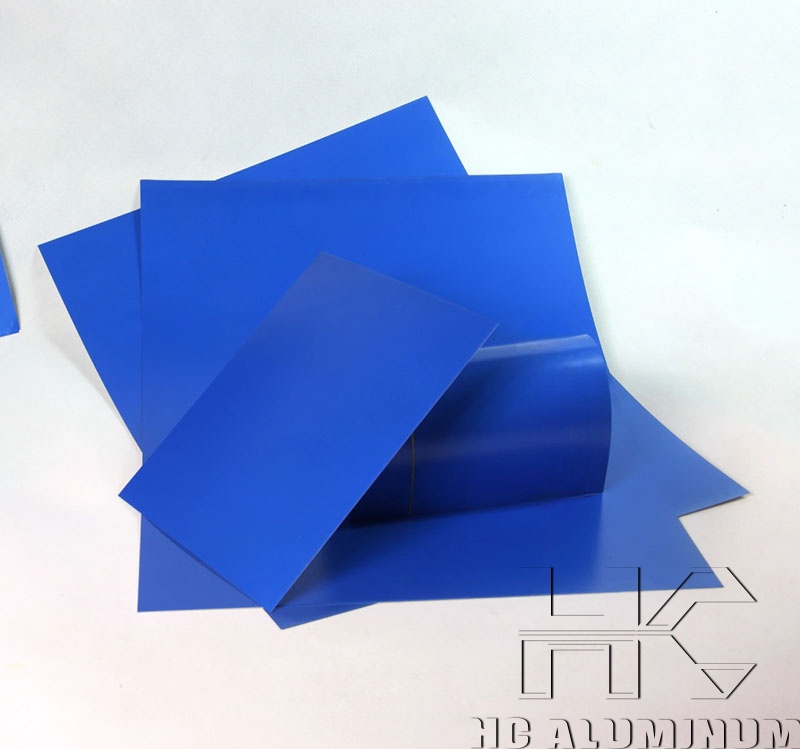
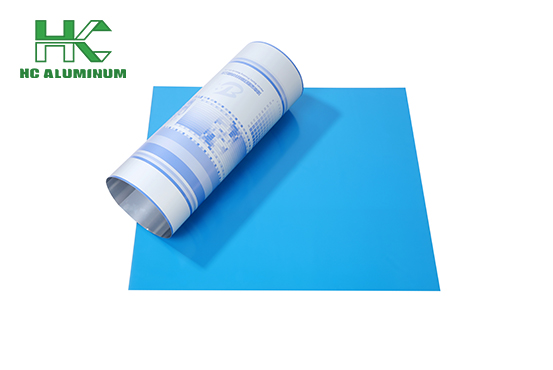
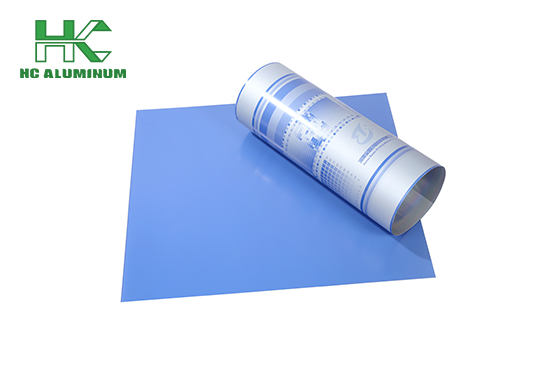
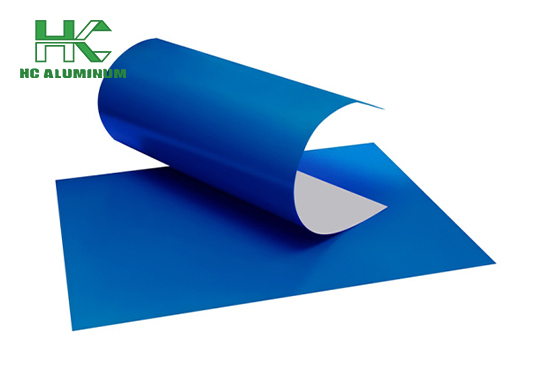
This is one of the most searched questions because many printers hear more about CTP plate and CTCP, yet PS plate offset printing remains common in markets where conventional exposure systems are still active. A PS plate, or presensitized plate, is an aluminum-based offset plate coated with a light-sensitive layer. After exposure and development, the image area accepts ink while the non-image area holds water.
It is still used because it offers a practical balance of stable performance, familiar operation, and controlled cost for many print shops. For short and medium runs, especially where existing equipment is designed for conventional workflows, PS plates continue to be a workable option. When users compare PS Plate specifications, they should pay close attention to coating uniformity, oxidation quality, and base flatness rather than looking only at the plate category name.
2. How Many Impressions Can A PS Plate Print In Real Production?
This question appears frequently because published plate life numbers often look better than real shop-floor results. In practice, impression life is not determined by one factor. It depends on the aluminum base, anodizing quality, coating strength, exposure accuracy, developer control, ink aggressiveness, paper surface, press speed, and operator settings.
For standard commercial jobs, a well-made PS plate can generally handle short to medium runs reliably. If process control is good, image sharpness and dot retention stay stable longer. If process control is poor, plate wear appears early as toning, background contamination, weak fine dots, or image fade.
A smart sourcing question is not only, "What is the maximum run length?" It is also, "How consistent is the run length from batch to batch?" Consistency is often more valuable than one high performance sample.
3. Why Does A PS Plate Scum, Tone, Or Lose Fine Dots?
This is a hot troubleshooting topic because new users often blame the plate first, while the actual cause can come from the full printing system. Scumming and toning usually happen when non-image areas start accepting ink. Fine dot loss happens when image support is too weak during exposure, development, or printing.
Common reasons include:
Underexposure or overexposure.
Developer concentration that is too strong or too weak.
Poor rinsing after development.
Fountain solution imbalance.
Ink and water settings that are too aggressive.
Plate coating inconsistency.
Low-quality graining and anodizing on the aluminum base.
The best response is to isolate variables one by one. Check exposure scale first, then developer condition, then press chemistry. If the process is stable but defects continue across multiple jobs, the plate itself may be the issue. A reliable supplier should be able to provide clear technical data on coating weight, sensitivity range, and recommended processing conditions.
4. How Should PS Plates Be Stored Before Printing?
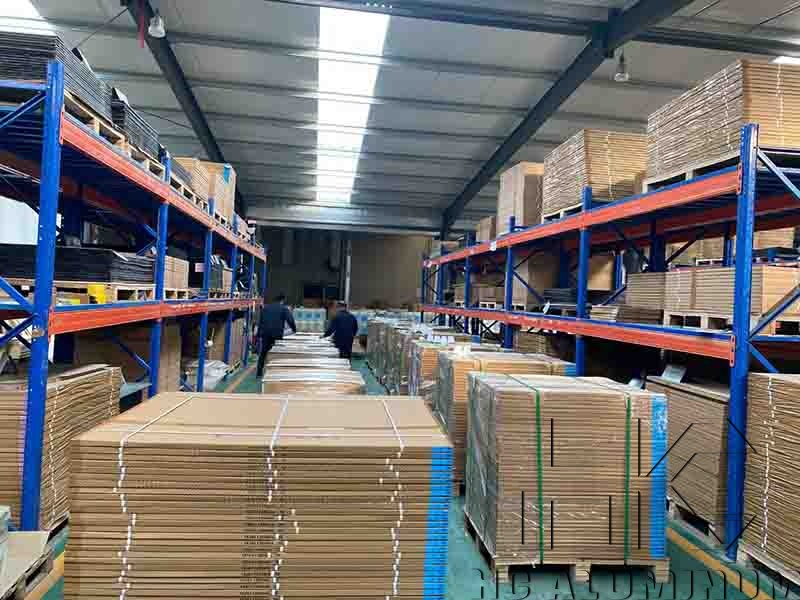
Many first-time purchasers ask this after experiencing waste from oxidation marks, curl, or coating damage. PS plates are sensitive products, and poor storage can reduce performance before the carton is even opened on press.
Recommended storage practices are simple:
Keep the room cool and dry.
Avoid direct sunlight and strong indoor light.
Store plates flat and clean.
Keep original packaging sealed until use.
Avoid large temperature swings during transport and warehousing.
Do not place heavy objects that may deform the plate surface.
If a supplier ships plates without strong moisture protection or edge protection, the risk of damage rises during long-distance transport. Packaging quality is therefore part of product quality, not a separate issue.
5. Why Is There Such A Big Price Difference In PS Plate Offset Printing?
This is probably the most commercially important question. On the surface, two plates may look similar, but production results can differ sharply. Price variation usually comes from the quality of the aluminum base, electrochemical graining, anodizing depth, coating materials, cleanliness control, and packaging standard.
Here is a simple comparison table:
| Factor | Lower-Priced Plate Risk | Better-Quality Plate Benefit |
|---|---|---|
| Aluminum base | Flatness variation, weaker durability | Better stability on press |
| Grain and anodizing | Poor water balance, shorter life | Cleaner background, stronger wear resistance |
| Coating consistency | Uneven imaging and development | Predictable exposure and dot reproduction |
| Packaging | Scratches, moisture impact | Safer storage and transport |
| Batch control | Quality fluctuation | More repeatable print performance |
A lower unit price does not always mean lower total cost. If a cheaper plate causes remakes, frequent adjustments, or unstable print quality, the real operating cost becomes higher. New buyers should compare not just plate price, but also usable yield, complaint rate, and processing tolerance.
What New Buyers Should Ask Suppliers Before Testing PS Plates
A practical way to evaluate ps plate offset printing options is to ask focused technical questions:
| Supplier Question | Why It Matters |
|---|---|
| What is the recommended exposure and development window? | Shows how forgiving the plate is in production. |
| What alloy and thickness range do you offer? | Affects durability and press compatibility. |
| How is the plate packaged for export? | Reduces transport damage risk. |
| Is batch consistency monitored? | Important for repeat orders. |
| Can you share typical application scenarios? | Helps match the plate to your job type. |
These questions usually reveal more than a basic quotation sheet. For new users, the safest approach is to test for image clarity, clean background, startup speed, and stability across several jobs rather than relying on one successful sample.