CTCP Printing Plates
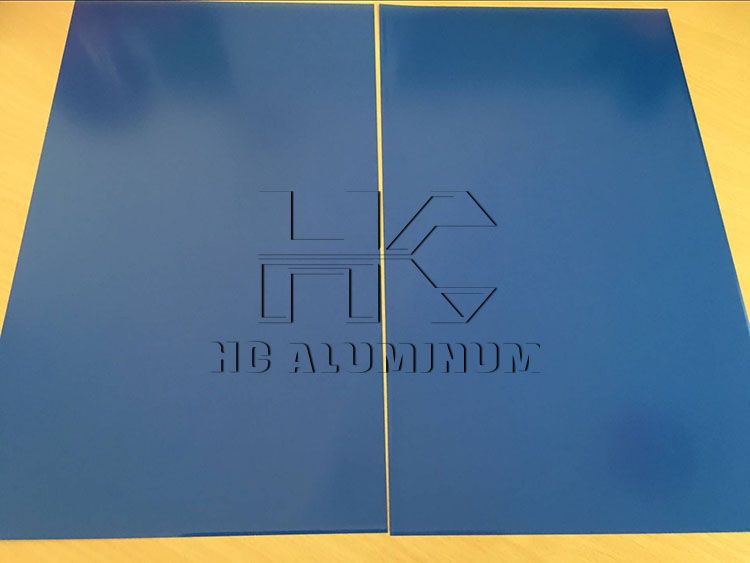
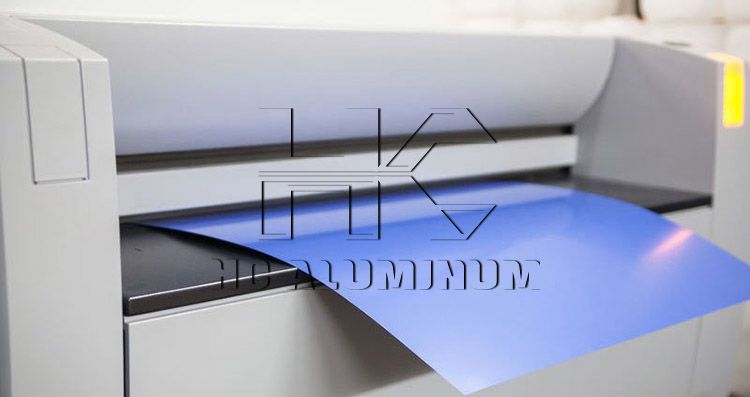
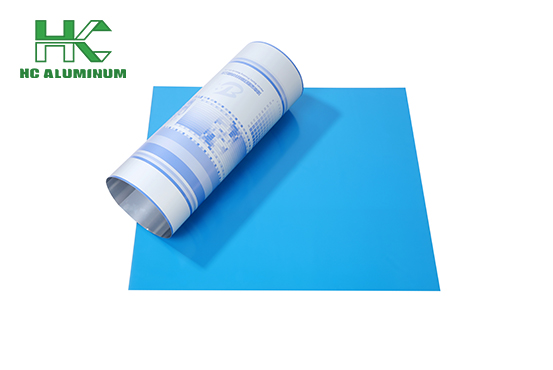
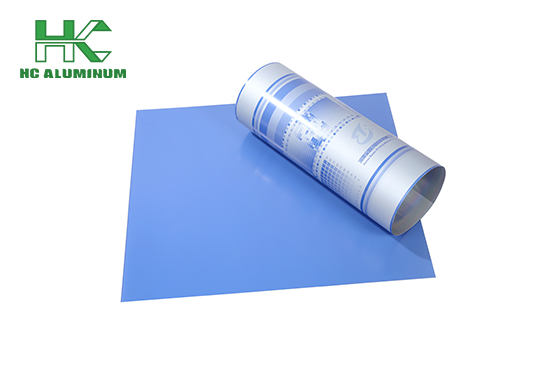
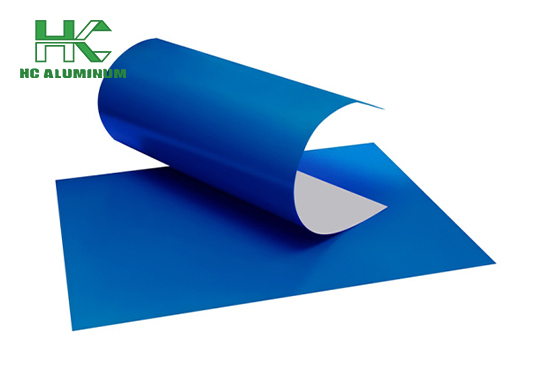
CTCP printing plates remain a practical option for commercial offset operations that need dependable image quality while using conventional UV imaging equipment. CTCP means Computer-to-Conventional Plate. It bridges traditional presensitized plate technology and digital workflow by transferring page data directly from a RIP-controlled imaging device to an aluminum plate.
For high-volume printing operations, plate selection affects make-ready time, dot stability, chemical consumption, press uptime, and total cost per printed sheet. A suitable plate must match the imaging wavelength, processor chemistry, fountain solution, ink system, press speed, and expected run length.
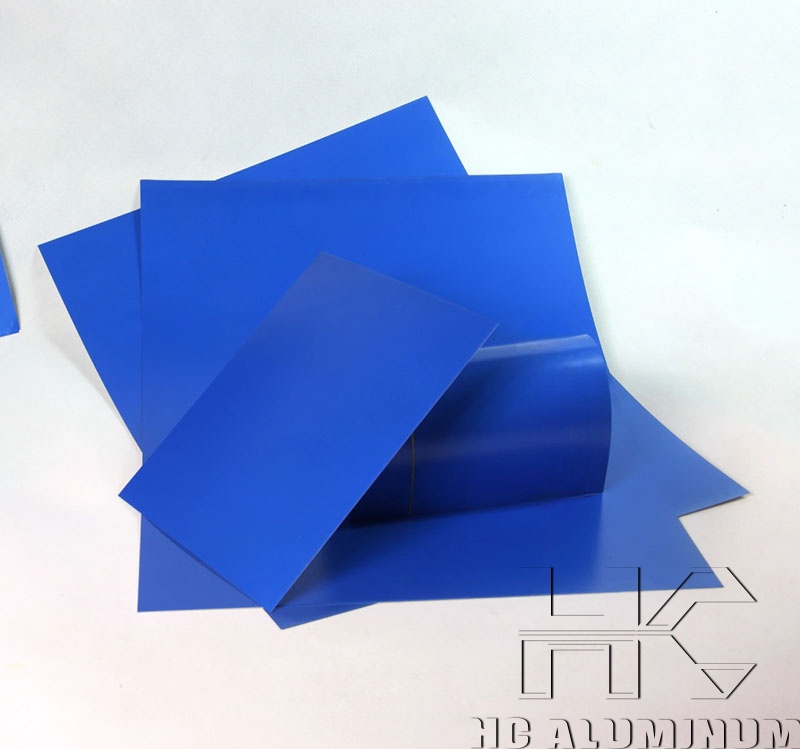
CTCP Plate Structure, Imaging, and Printing Performance
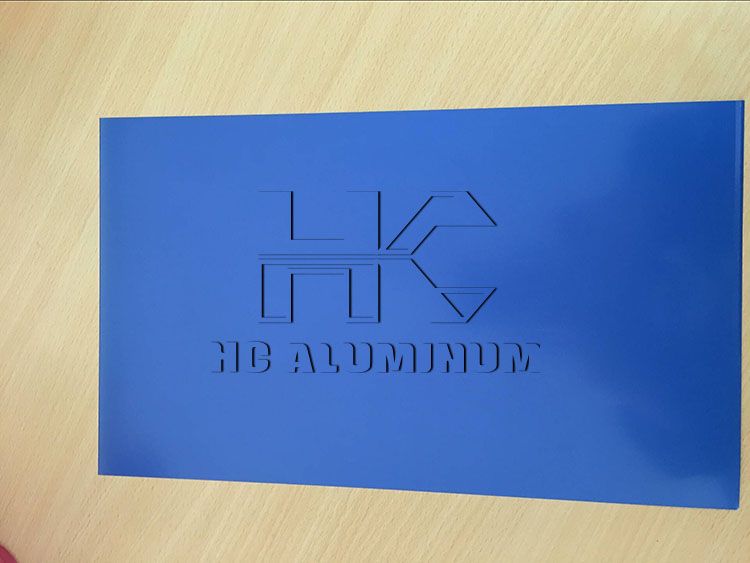
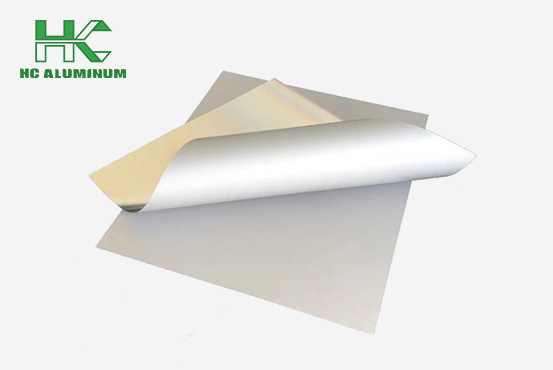
Most conventional computer-to-plate products use an electrochemically grained and anodized aluminum substrate. This treatment creates a hydrophilic surface that retains fountain solution in non-image areas. A light-sensitive coating is applied over the aluminum. During imaging, UV or violet light changes the coating properties according to the digital page file.
In a common positive-working process, exposed coating is removed during development, leaving the aluminum surface in non-image areas. The remaining coating forms the ink-receptive image. Negative-working systems follow a different chemical mechanism, so imaging and processing settings must always follow the plate supplier's technical data sheet.
CTCP Plate products are commonly selected where a printer already operates compatible conventional imaging equipment and wants to avoid the capital cost of thermal CTP conversion. They are used for books, manuals, forms, local newspapers, packaging inserts, commercial brochures, and other sheetfed or web offset work.
| Performance factor | What it affects | What procurement and production teams should verify |
|---|---|---|
| Imaging sensitivity | Exposure speed and output consistency | Required wavelength, energy range, and imaging device compatibility |
| Resolution and FM capability | Fine text, line work, barcodes, and screened images | Minimum dot size, screen ruling, and RIP screening settings |
| Chemical resistance | Plate durability during long runs | Developer, gum, fountain solution, wash, and ink compatibility |
| Run length | Frequency of plate changes | Rated impressions under the actual press and ink conditions |
| Bake capability | Durability for demanding jobs | Whether baking is approved and its impact on dot reproduction |
| Storage life | Inventory risk and waste | Shelf life, storage temperature, humidity, and carton protection |
Plate performance is not determined by the plate alone. Exposure calibration, processor replenishment, developer temperature, roller condition, plate bending quality, and press chemistry all influence results. A plate that performs well in laboratory tests can lose image sharpness or show premature wear when processing parameters drift.
Production Process and Press Control
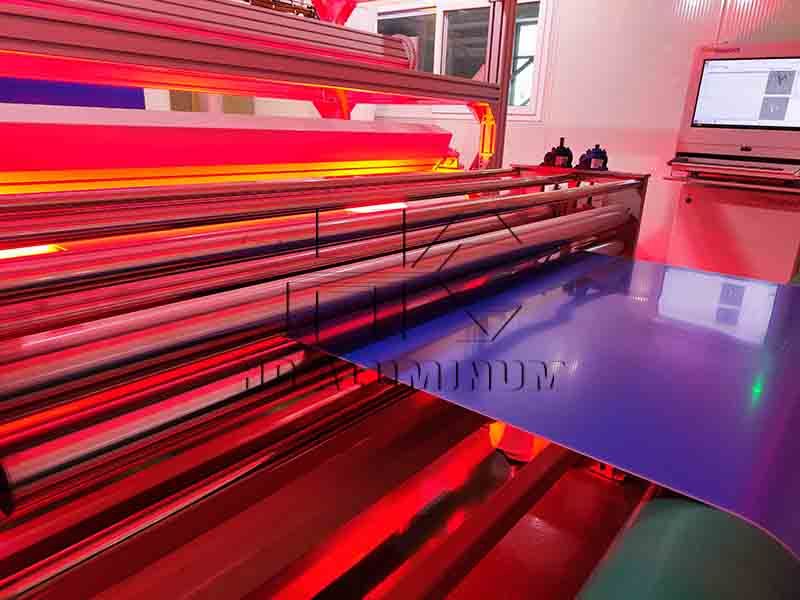
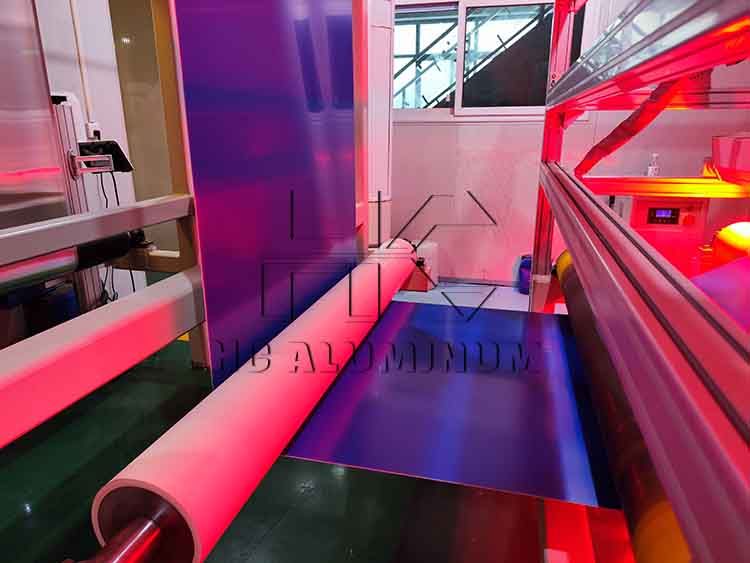
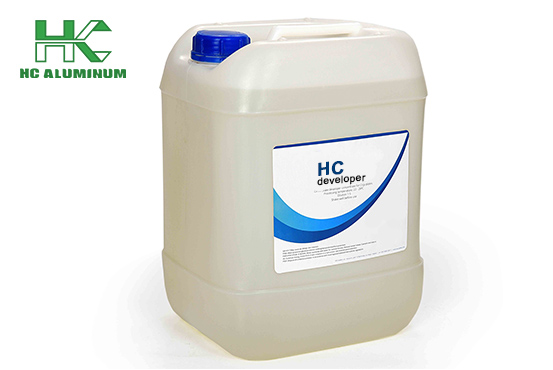
The CTCP workflow begins with prepress file preparation, RIP processing, and imaging. After exposure, the plate is developed, rinsed, gummed, dried, punched, and bent for mounting on press. Some operations use an automated processor line, while lower-volume facilities may use semi-automatic equipment. Automation can reduce handling damage and improve consistency, but only when replenishment and maintenance are controlled.
A disciplined process-control routine should include exposure test targets, processor conductivity or chemistry checks where applicable, temperature records, plate inspection, and press-start feedback. Fine highlights, reverse text, solid ink density, and non-image cleanliness are useful indicators during qualification.

| Process stage | Typical risk | Practical control method |
|---|---|---|
| Imaging | Weak dots or plugged highlights | Set exposure through plate-maker recommendations and test forms |
| Development | Scumming, incomplete development, or image loss | Monitor developer activity, temperature, replenishment, and filter condition |
| Finishing | Scratches, edge damage, or registration issues | Inspect handling points, punching accuracy, and bending tools |
| On-press start-up | Slow ink-water balance or non-image toning | Match fountain solution concentration and maintain clean rollers |
| Long production run | Image wear or sensitivity to wash cycles | Confirm run-length data under actual ink, blanket, and wash conditions |
For process-standard alignment, ISO 12647-2 is widely used as a reference for offset printing process control, including color reproduction targets and print-condition management. It does not certify an individual plate, but it helps production teams maintain repeatable output when plate, ink, substrate, and press conditions are controlled together.
Cost, Supply Chain, Compliance, and Market Planning
The purchase price of a plate is only one part of the operating cost. Total plate economics include waste during imaging and processing, chemistry consumption, water use, labor, downtime, rejected sheets, and inventory carrying cost. A lower-priced product may increase total spend if it requires slower imaging, creates more processor maintenance, or causes inconsistent startup on press.
Aluminum is a major cost driver because the substrate represents a significant part of plate material value. Pricing may also move with energy costs, coating raw materials, freight, currency exchange rates, and regional trade measures. Lead times can lengthen when aluminum coil availability tightens, ocean freight is disrupted, or suppliers adjust production around seasonal demand.
| Sourcing area | Recommended evaluation point |
|---|---|
| Product consistency | Request lot traceability and retain samples from approved production batches |
| Packaging | Confirm moisture protection, corner protection, carton strength, and pallet configuration |
| Supply continuity | Assess local stock, production capacity, shipping routes, and alternative approved sizes |
| Technical support | Confirm availability of exposure, processor, and press troubleshooting support |
| Commercial terms | Compare delivered cost, minimum order quantity, payment terms, and claims procedure |
| Sustainability data | Request information on aluminum content, waste handling, chemistry management, and environmental documentation |
For regulatory review, requirements vary by country and end market. In the European Union, REACH obligations may apply to chemical substances used in coatings and processing products. Safety data sheets should be available for developers, gums, cleaners, and other chemical products. RoHS is generally more relevant to electrical and electronic equipment than to printing plates, but it may arise in broader supplier compliance questionnaires. Environmental management systems such as ISO 14001 can indicate structured controls, although certification does not replace product-specific compliance documentation.
Inventory planning should reflect shelf life and storage conditions. Keep unopened cartons in a clean, dry area away from direct sunlight, excessive heat, and major temperature swings. First-in, first-out rotation reduces the risk of aged coating performance. For operations with multiple presses or different plate sizes, a controlled approval matrix helps prevent substitution of a plate that is physically compatible but chemically unsuitable for the existing workflow.