CTP Plates
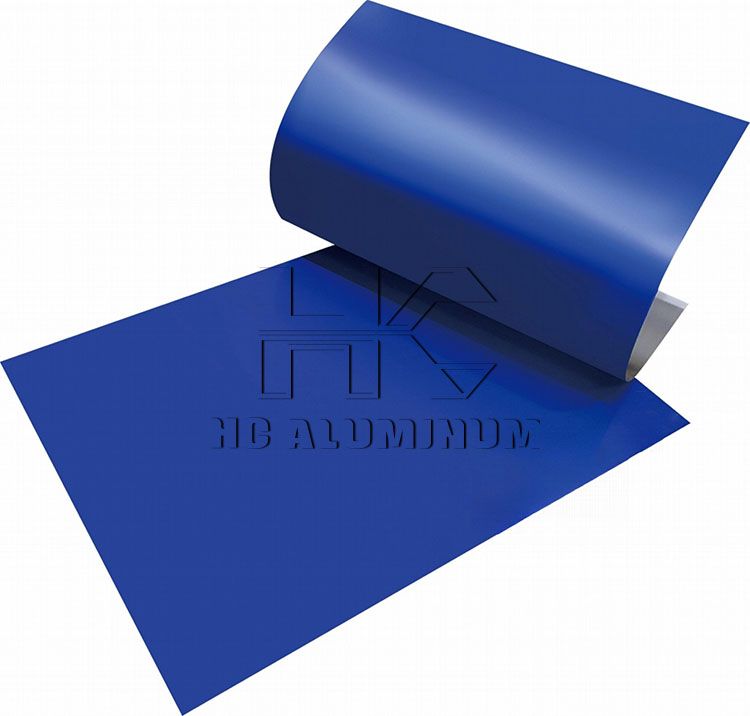
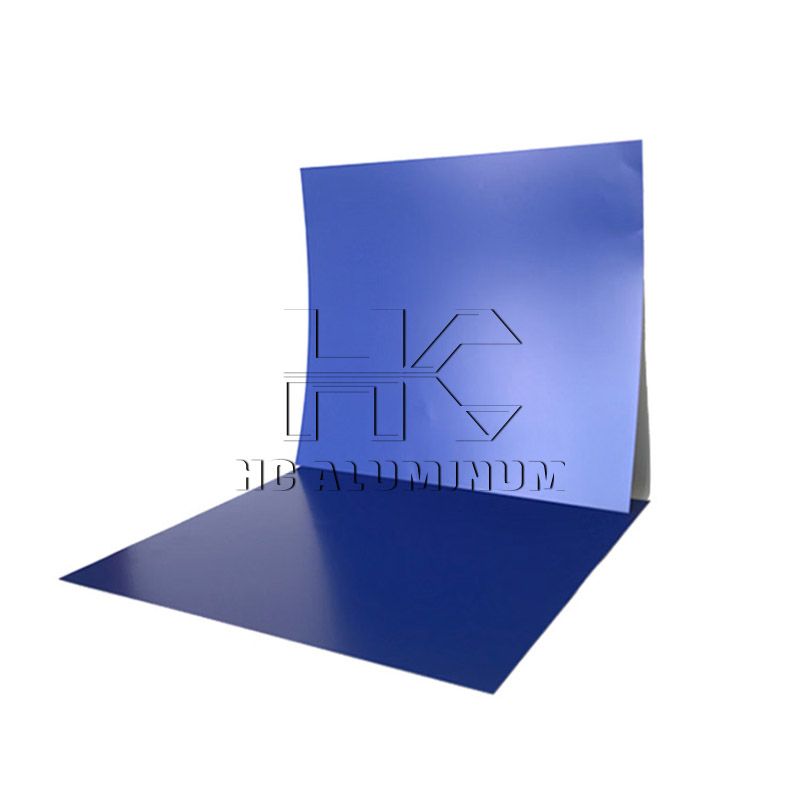
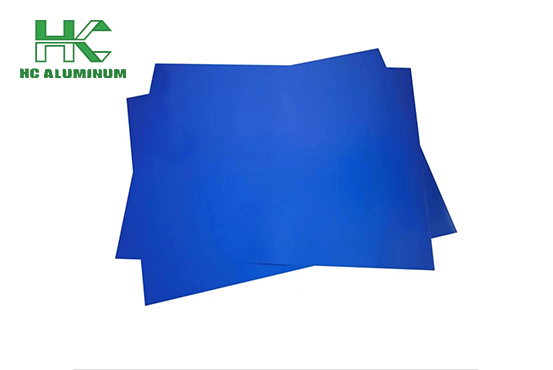
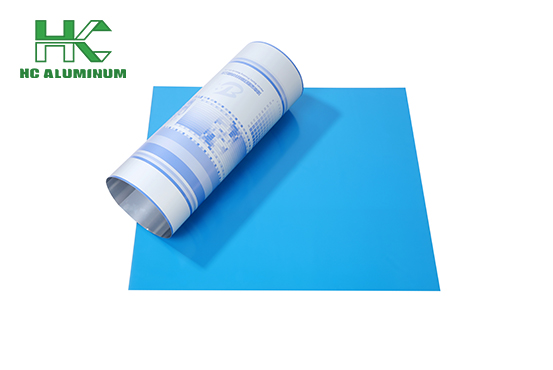
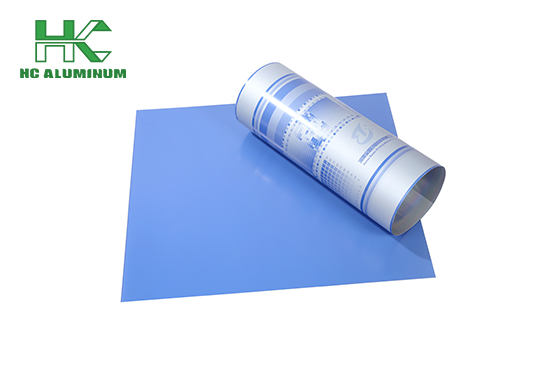
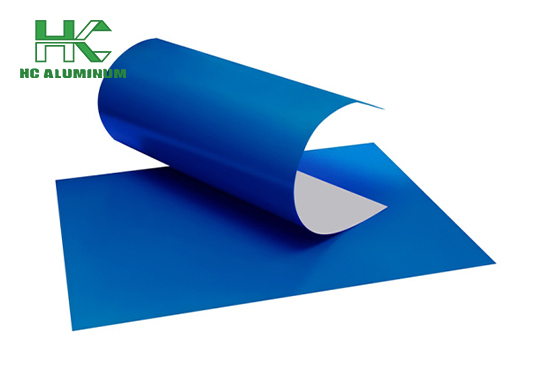
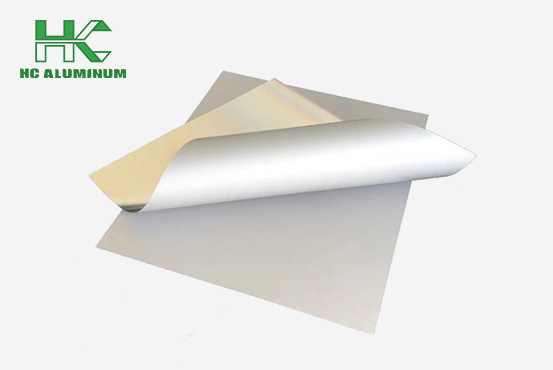
Offset printers depend on plate consistency to protect press uptime, color stability, and production cost. A CTP plate transfers digital page data directly from a platesetter to an offset press, removing film from the traditional prepress workflow. For high-volume commercial printing, publishing, packaging, and newspaper work, the correct plate specification must match the imaging device, press conditions, run length, and finishing requirements.
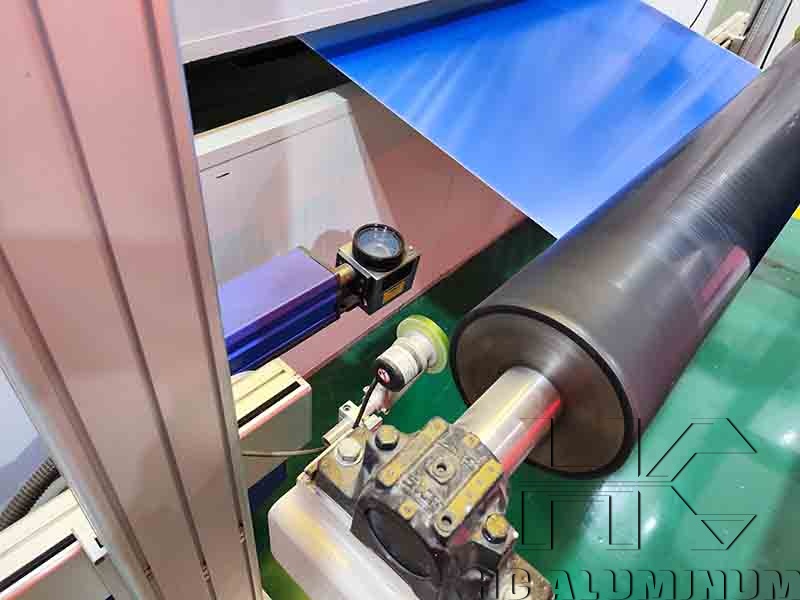
Plate Types and Printing Performance
Most modern offset operations use thermal, violet, UV-CTP, or process-free technologies. Thermal systems generally image at 830 nm and are widely used for their stability, compatibility with automated workflows, and strong handling tolerance. A thermal CTP plate is often selected where repeatable dot reproduction and long-run reliability are important.
Violet plates are designed for 405 nm violet lasers. They can offer fast imaging and lower laser energy requirements, but performance depends on the platesetter, safelight practice, and plate chemistry. UV-CTP systems expose plates with UV light and may be suitable for operations converting from conventional plate workflows.
Process-free products reduce or eliminate the separate plate processor. During make-ready, the non-image coating is removed on press through fountain solution and ink action. This can lower water use, chemistry handling, and processor maintenance, although press qualification is essential before full conversion. A process-free plate should be tested with the actual press, inks, fountain solution, blankets, and wash-up routine.
| Plate Type | Typical Strength | Operating Consideration | Common Application |
|---|---|---|---|
| Thermal | Stable imaging, broad workflow compatibility | Requires thermal platesetter and suitable processing or on-press development | Commercial print, books, packaging |
| Violet | Fast exposure and efficient imaging | Requires violet-compatible platesetter and controlled handling | Newspapers, short-turnaround print |
| UV-CTP or CTCP | Can support conversion from conventional workflows | Exposure and processing conditions must be controlled | Regional commercial print operations |
| Process-free | Fewer processing steps and less chemistry | Needs careful pressroom validation and make-ready control | Sustainability-focused sheetfed and web print |
Plate performance should be assessed beyond nominal resolution. Important measures include imaging latitude, minimum dot holding, solid ink density, scratch resistance, chemical resistance, and run length. Run length is not a fixed number because it changes with press pressure, blanket condition, ink abrasiveness, fountain solution conductivity, cleaning products, substrate dust, and storage conditions.
PS plates, also called presensitized conventional offset plates, remain relevant where film-based exposure or conventional UV exposure equipment is still in use. CTCP, meaning computer-to-conventional plate, uses digital UV imaging with compatible conventional-style plate technology. For plants planning an equipment transition, compatibility between the current platesetter and plate coating should be confirmed before committing to pallet quantities.
Production, Quality Control, and Compliance
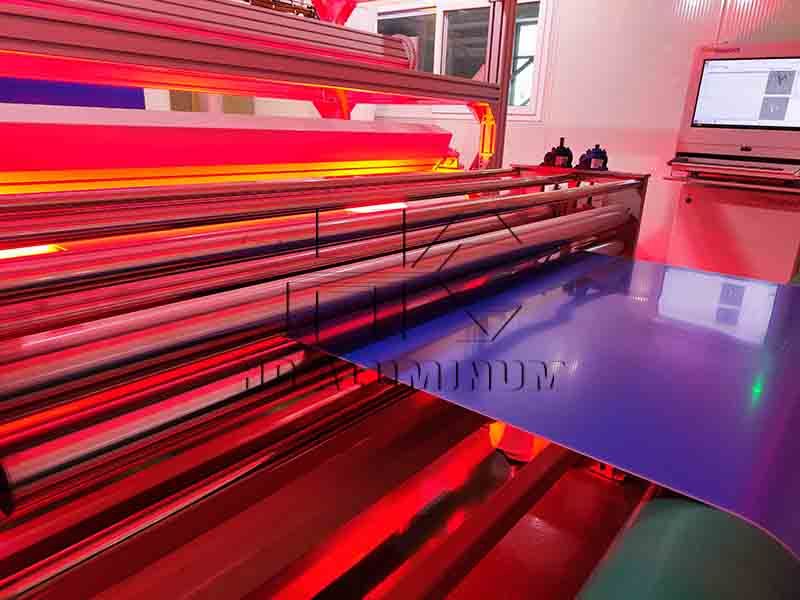
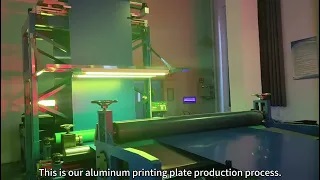
Aluminum is the foundation of most offset plates. The substrate is commonly grained and anodized to create a stable hydrophilic surface, then coated with a light-sensitive layer. The manufacturing sequence typically includes aluminum coil preparation, electrochemical graining, anodizing, coating, drying, slitting, cutting, inspection, interleaving, and moisture-protective packing.
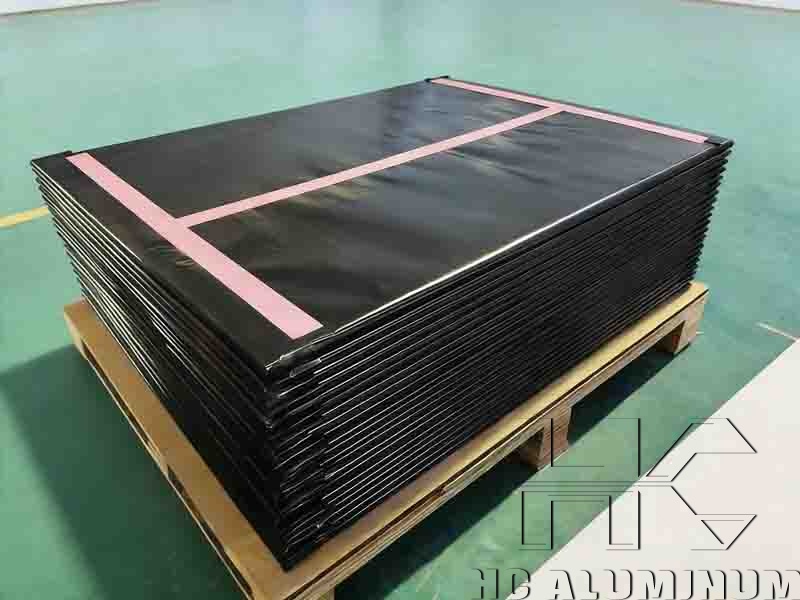
For purchasing teams, batch consistency matters as much as an initial press test. A qualified supplier should provide clear specifications for thickness, cut-size tolerance, diagonal tolerance, coating appearance, shelf life, recommended storage, imaging energy, processing requirements, and expected press behavior. Receiving inspection can include package condition, plate count, edge quality, flatness, surface defects, and traceable batch identification.
Color-controlled offset work should align plate performance with the wider process-control system. ISO 12647-2 is commonly referenced for process control in offset lithographic printing, while ISO 9001 and ISO 14001 certifications can indicate structured quality and environmental management systems. Certification alone does not prove press performance, so it should be supported by production samples and controlled trials.
Chemical and environmental obligations vary by destination market. Importers should request current Safety Data Sheets, declarations for substances of concern where applicable, packaging information, and disposal instructions for developers, gum, replenisher, and cleaning materials. For food-contact packaging, the plate is not normally the direct food-contact material, but the complete printing system, including inks, coatings, substrate, and set-off control, must meet the relevant local requirements.
Cost Structure, Supply Chain, and Procurement Timing
The delivered cost of offset plates is influenced by more than the quoted unit price. Aluminum coil pricing is a major input because it affects substrate cost. Coating chemistry, plate gauge, size, run-length class, packaging, export pallets, freight, insurance, import duty, and local warehousing also affect the final landed figure.
| Cost Driver | Effect on Total Cost | Practical Purchasing Action |
|---|---|---|
| Aluminum market movement | Changes substrate and finished-plate pricing | Use indexed pricing or review quotations regularly |
| Plate size and thickness | Larger formats and heavier gauges use more aluminum | Standardize formats where press requirements allow |
| Freight and packaging | Can be significant for long-distance supply | Confirm pallet dimensions, loading plan, and Incoterms |
| Processor chemistry | Adds recurring cost for processed technologies | Compare plate and chemistry cost per usable impression |
| Waste and remake rate | Raises effective cost per printed job | Measure plate defects, remakes, and start-up waste |
A useful comparison is cost per accepted impression rather than cost per plate. A lower-priced product can become more expensive if it causes longer make-readies, weak dots, plate remakes, scumming, premature wear, or inconsistent color. Conversely, premium long-run plates may not be economical for short-run jobs where press time and processing savings have greater value.
Supply chains for these products can be exposed to aluminum volatility, coating-material availability, container capacity, customs delays, and regional regulatory changes. Maintaining a defined safety stock is sensible for high-consumption formats, especially when lead times include ocean freight. Inventory should be rotated by batch and expiry date, stored in a clean, dry area, and protected from heat, humidity, and direct light according to the manufacturer specification.
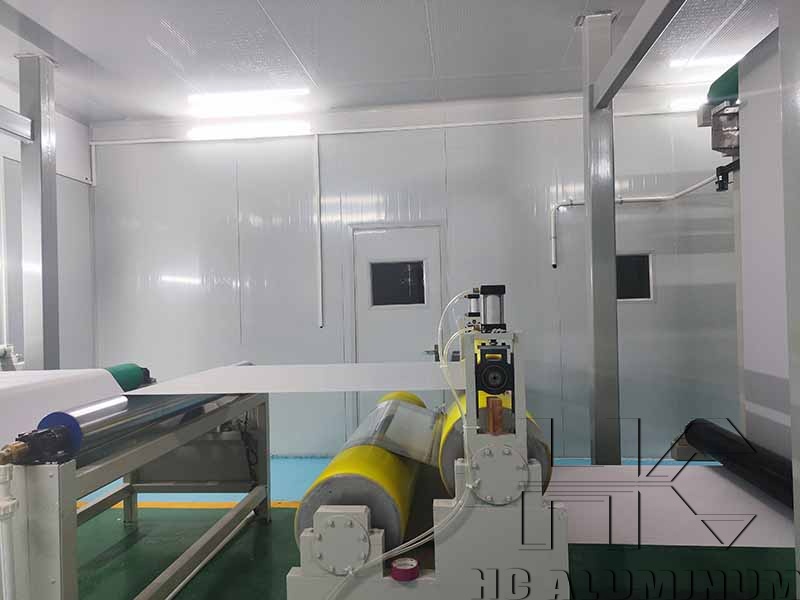
Plate demand also follows print market cycles. Newspaper volumes have declined in many regions, while packaging, labels, books, and selected commercial applications continue to support offset capacity. During periods of high aluminum prices or constrained logistics, suppliers may shorten quotation validity or allocate production by forecast. Sharing rolling consumption forecasts, format mix, and planned press changes can improve supply continuity and reduce emergency purchasing.