What Are Features of Waterless Offset Printing Plates
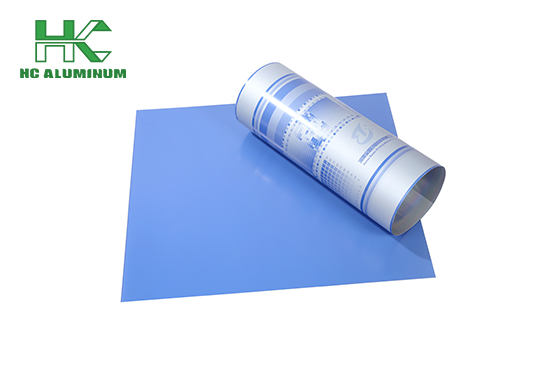
With the continuous iteration of printing technology, waterless plates have gradually become a favorite among many printing companies due to their environmentally friendly and efficient advantages. They not only simplify the traditional offset printing production process but also demonstrate unique value in cost control and quality assurance.

Main Types
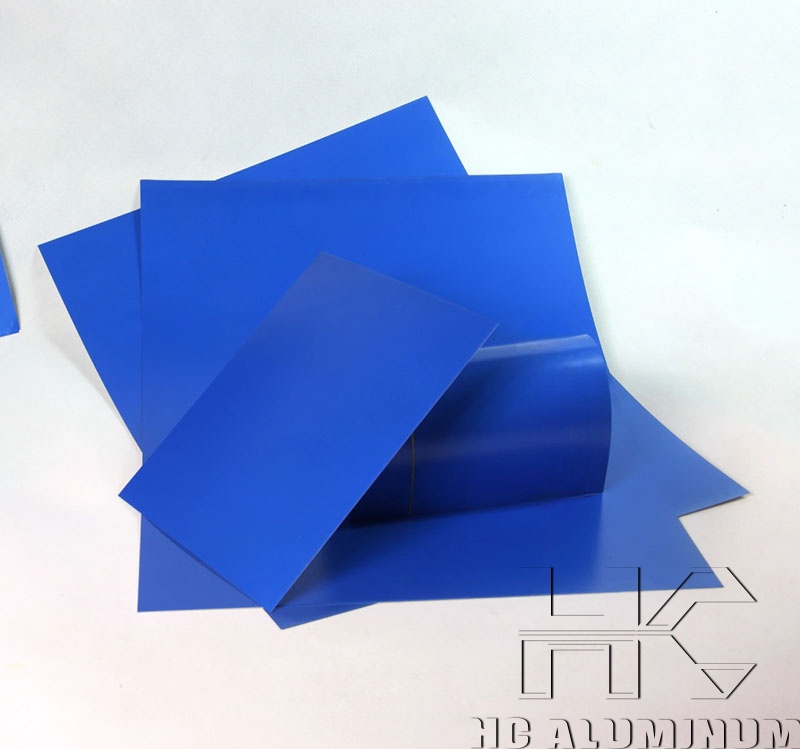
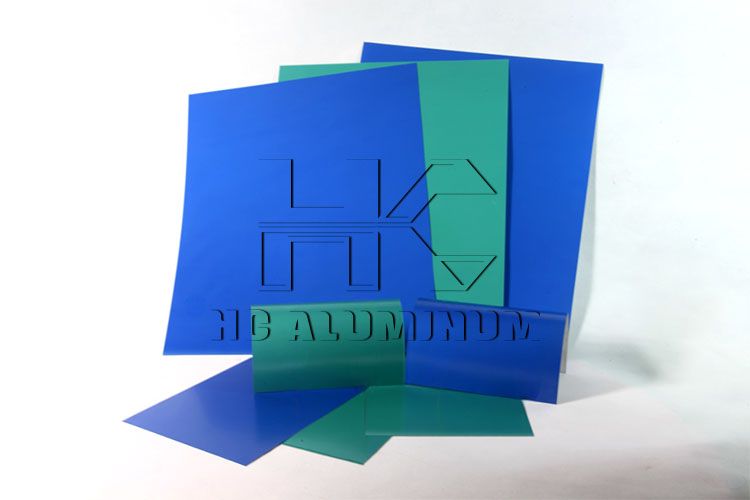
Waterless offset printing plates are not a single type. Based on differences in photosensitive principles and structures, they can be mainly divided into the following two categories:
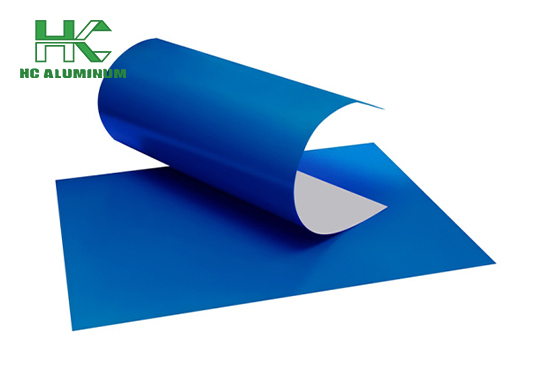
1. Thermal CTP plate
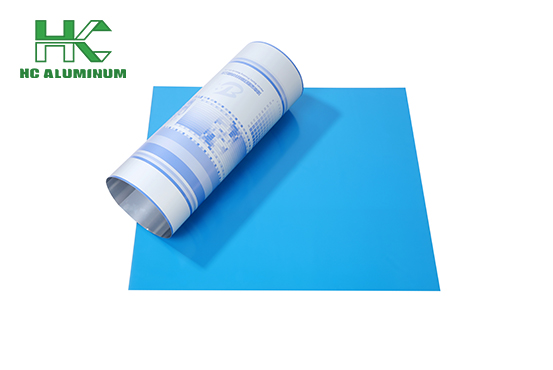
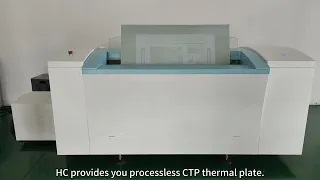
These plates use heat energy as the photosensitive trigger condition. During the pre-printing exposure stage, the plate surface is treated using laser thermal technology.
The surface coating contains thermally sensitive polymer materials. When the laser irradiates the area to be imaged, the coating undergoes physical or chemical changes, forming oleophilic image areas; while the unirradiated areas retain hydrophilic properties, allowing for direct printing without subsequent rinsing steps.
Thermal waterless offset printing plates are highly adaptable to environmental temperature and humidity. Even in humid production environments, they maintain stable imaging effects, making them widely used in newspaper printing, packaging printing, and other scenarios with high production efficiency requirements.
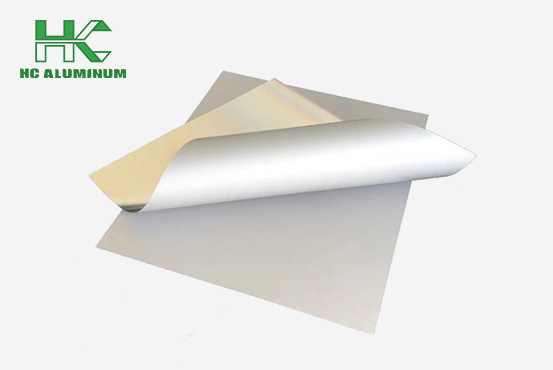
2. Violet CTP plate
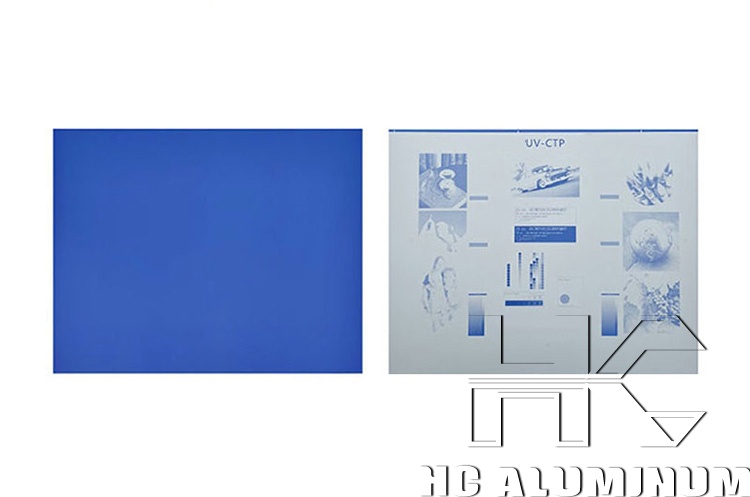
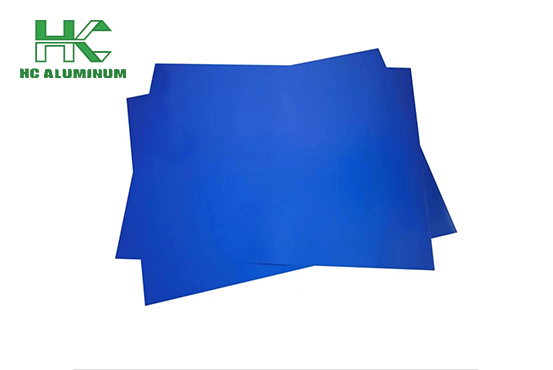
This type of sheet uses a violet laser as the exposure light source. Its photosensitive coating is highly sensitive to the wavelength of the violet laser. During exposure, the violet laser can precisely act on the coating, causing the image areas to quickly solidify into an oleophilic layer, while the non-image areas remain hydrophilic.
Compared to thermal photosensitive sheets, violet laser photosensitive waterless offset printing sheets offer higher imaging resolution and stronger minimum dot reproduction capability, clearly displaying delicate patterns and text. They are more suitable for high-end commercial printing, such as the production of exquisite brochures, posters, and magazines—products with stringent printing quality requirements.
Key Features
1. Environmentally friendly and low-cost
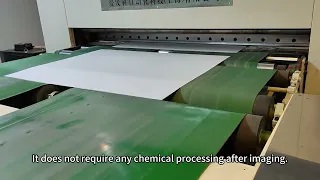
Traditional printing plates offset requires chemical washing before use. The resulting wastewater not only pollutes the environment but also requires companies to invest in wastewater treatment. waterless offset printing sheets eliminate the need for any washing process, preventing the generation of chemical wastewater at the source, aligning with the current trend of green printing.
Meanwhile, eliminating the rinsing step reduces the consumption of chemical agents and water resources, lowers equipment maintenance costs, and can save companies considerable production costs in the long run.
2. High production efficiency
In traditional offset printing processes, rinsing and drying steps consume a significant amount of production time, especially when order volumes are large, easily leading to tight production cycles. Waterless offset printing plates can be directly mounted for printing after exposure, significantly shortening pre-press preparation time and improving overall production efficiency.
For example, small and medium-sized printing companies using no-rinse offset printing plates can increase daily printing order volume by 15%-20%, effectively meeting market demands for fast delivery.
3. Stable printing quality
Waterless offset printing plates have good coating uniformity and high photosensitive imaging accuracy, effectively avoiding problems such as dot loss and image distortion that occur during traditional rinsing processes. Whether it's brightly colored packaging printing or densely text-heavy book printing, it can maintain stable printing quality and reduce scrap rates caused by plate issues.
In addition, these printing plates have strong printing durability. Ordinary waterless offset printing plates can withstand 50,000 to 80,000 printing cycles, meeting the needs of most printing orders.