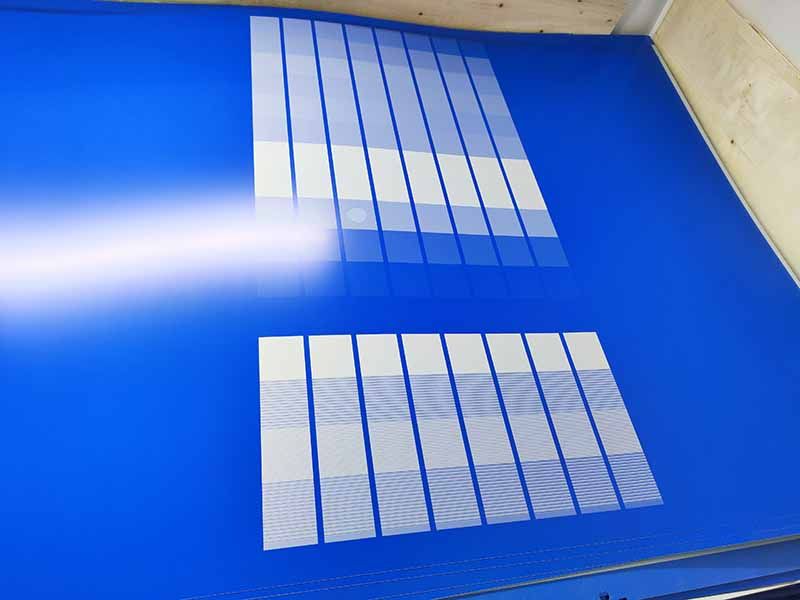
Cost Of Process-Free Printing Plates Vs Regular Plates
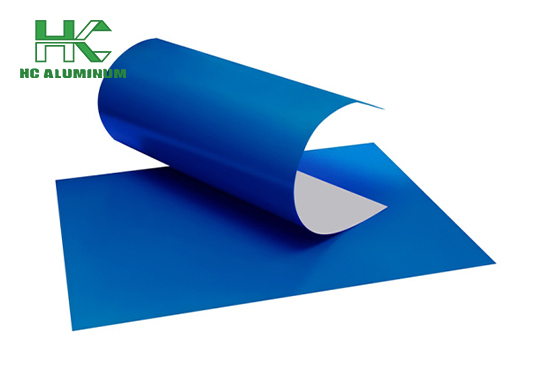
With tightening environmental policies and increasing demands for production efficiency, process free printing plates are gaining popularity among printing plants. However, this has also created a dilemma for many: are they really worth the higher price compared to regular printing plates?
Purchase Costs
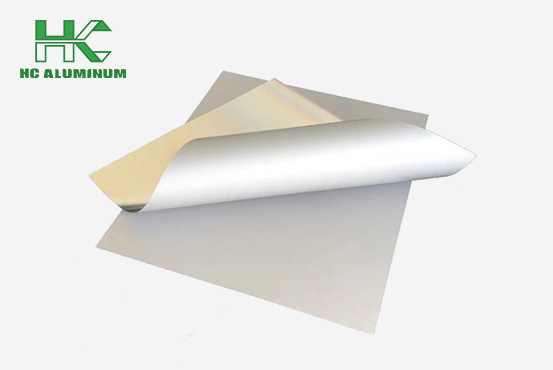
A single sheet of a regular printing plate (like PS plate) typically costs between $4.5 and $7.5, while a single sheet of a process free printing plate generally costs between $9 and $15. While it seems like process free plates are "twice as expensive," there are two easily overlooked points.
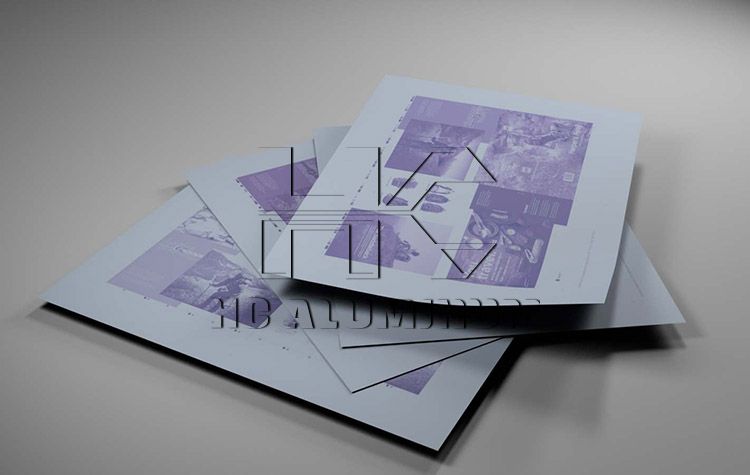
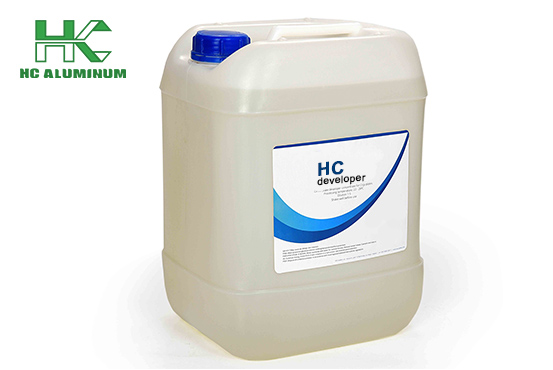
Firstly, the "low price" of regular printing plates represents an incomplete cost. PS plates require the use of developing and fixing solutions before use. A single set of these solutions, processing 1000 plates, incurs an additional cost of approximately $2.2-$3 per square meter. Processless printing plates, on the other hand, require no chemicals and can be used directly after unpacking; the purchase cost is the "final cost."
Secondly, some process free printing plate manufacturers offer bulk discounts to long-term clients. For annual usage exceeding 100,000 sheets, the price per sheet can drop to $7.5-$10.5, further narrowing the price gap with high-end standard printing plates.
Production process
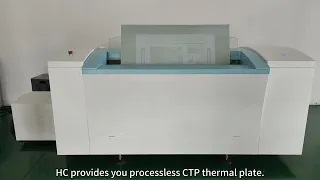
In the printing workshop, "time cost" is often more critical than consumable cost, which is precisely the core advantage of processless printing plates. The production process of standard printing plates includes five steps: baking, developing, rinsing, drying, and mounting.
This entire process takes at least 15-20 minutes and requires 1-2 workers dedicated to operating the developing equipment. Process free plates skip the first four steps; they can be mounted immediately after unpacking, reducing the processing time per plate to 3-5 minutes, which can be completed by a single worker.
For a small to medium-sized printing plant printing 50,000 sheets per day, conventional printing plates require approximately 200 plates daily, consuming nearly 8 hours of work time for 3 workers. Switching to process-free plates reduces this to just one worker.
Based on the international printing industry average hourly wage of $15, this translates to daily labor cost savings of approximately $240-$360. Simultaneously, energy consumption and maintenance costs for developing equipment are eliminated—a developing machine incurs approximately $75-$100 in electricity costs per month and nearly $300 in annual maintenance fees—hidden expenses associated with conventional plates.
More importantly, waterless plates offer more stable registration accuracy. Conventional printing plates are prone to dimensional deviations during developing and washing due to variations in chemical concentration and water temperature, resulting in a scrap rate of approximately 1.5%-2%. Treatment-free plates, utilizing digital imaging technology, can control the scrap rate to below 0.3%. At a cost of $0.15 per sheet, printing 50,000 sheets daily reduces waste by approximately $101-$191 per day.
Environmental Costs
In recent years, environmental policies have increasingly tightened regulations on the printing industry, making the environmental costs of ordinary printing plates unavoidable. The developing solutions used in ordinary printing plates contain heavy metals and volatile organic compounds (VOCs), classifying them as hazardous waste.
They must be disposed of by qualified organizations, with international disposal fees ranging from $450 to $750 per ton. A printing plant using 200 ordinary printing plates daily generates approximately 0.5 tons of waste developing solution per month, incurring annual disposal costs of $2,700 to $4,500.
Furthermore, printing plants must invest in wastewater treatment facilities. A small-scale wastewater treatment system requires an initial investment of approximately $15,000, with annual operating costs approaching $3,000.
In contrast, process-free printing plates eliminate the generation of chemical waste at the source, requiring no investment in environmental protection equipment or hazardous waste disposal fees, saving $4,500 to $7,500 annually from this alone.
More importantly, using process-free printing plates avoids the risk of penalties for failing to meet environmental standards—environmental fines for printing companies in regions like the EU generally range from $7,500 to $30,000, with some regions imposing fines as high as 4% of annual revenue. This "risk cost" is far more significant than the price difference in consumables.
Long-term considerations
In the long run, the cost difference between the two is closely related to the printing plant's production scale. For small printing plants with a monthly print volume of less than 500,000 sheets, the initial purchase cost advantage of ordinary PS plate or CTP plate is obvious, with annual comprehensive costs potentially $1,500-$3,000 lower than process-free plates.
However, for medium to large printing plants with a monthly print volume exceeding 1 million sheets, the advantages of process-free plates in terms of labor, efficiency, and environmental protection become fully apparent, with annual comprehensive costs potentially saving $12,000-$22,500 compared to ordinary printing plates.
More noteworthy is the industry trend – as the global process of achieving carbon neutrality progresses, the EU has clearly stated its intention to phase out heavy metal-containing printing plate production processes by 2026, while the US, Japan, and other countries are tightening environmental standards for the printing industry.
Waterless printing plates are not only a "cost optimization option" but may also become a future "entry barrier." For printing plants undergoing upgrades and transformations, proactively investing in processless printing plates can not only reduce current costs but also seize future market opportunities.