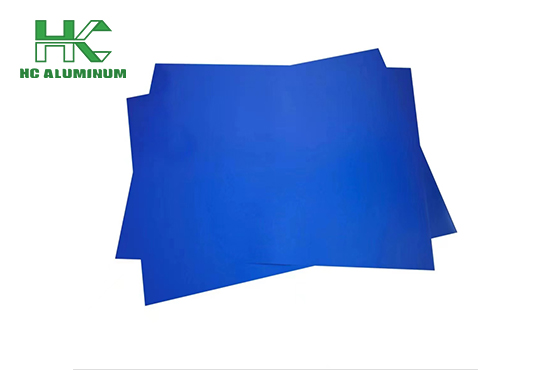
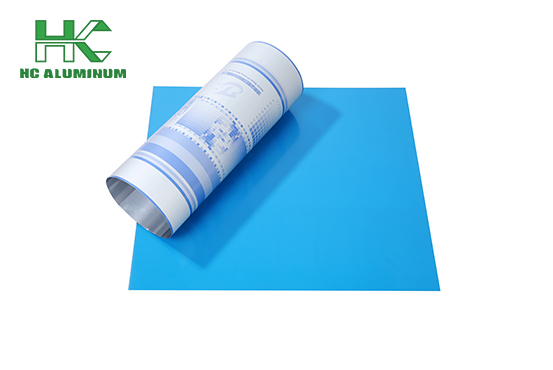
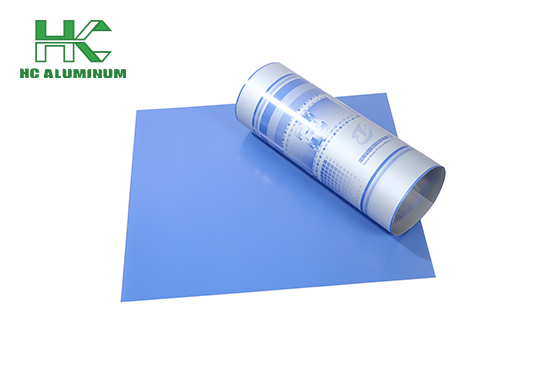
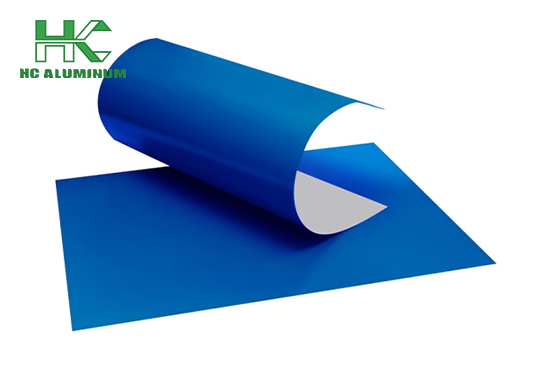
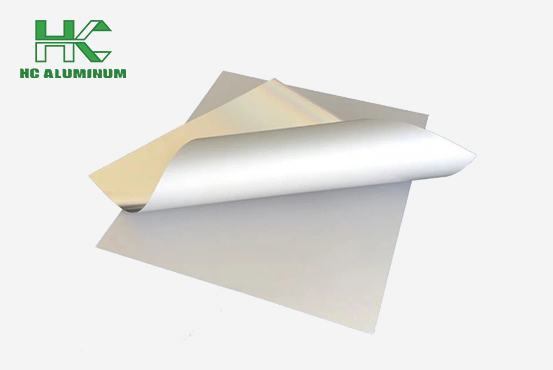
PS Sheet
Holiday promotions compress design approval, proofing, plate production, and press schedules into a few weeks. For offset printers and aluminum-material sourcing teams, the primary risk is not simply running short of plates. It is receiving the wrong plate specification, poorly protected stock, or material that cannot move into production when Thanksgiving, Black Friday, Cyber Monday, and year-end campaigns require fast turnarounds.
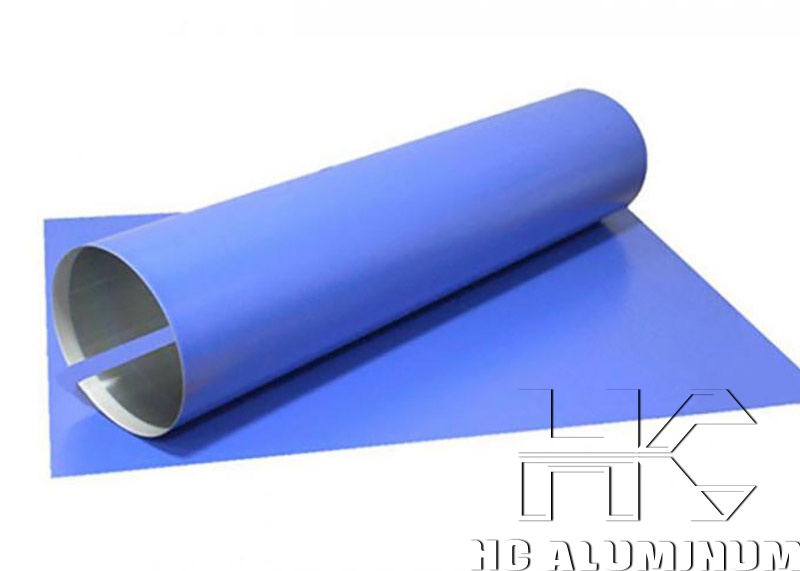
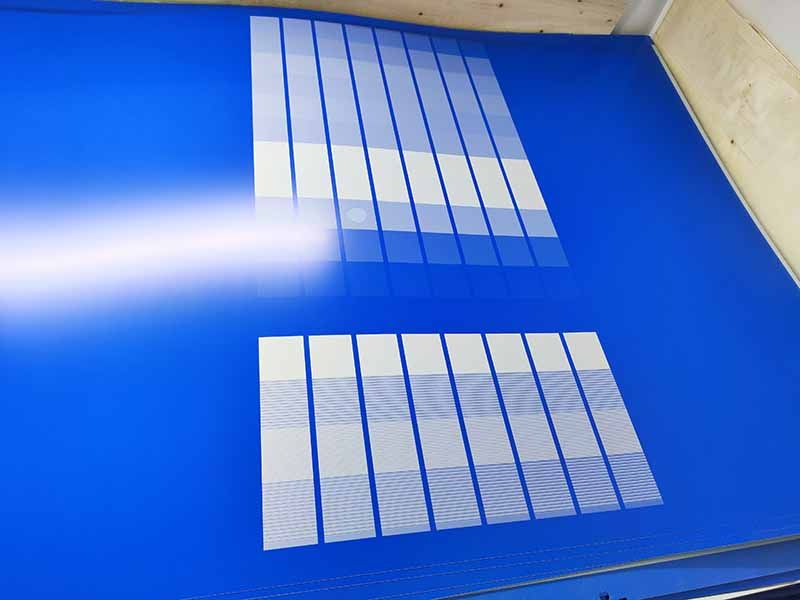
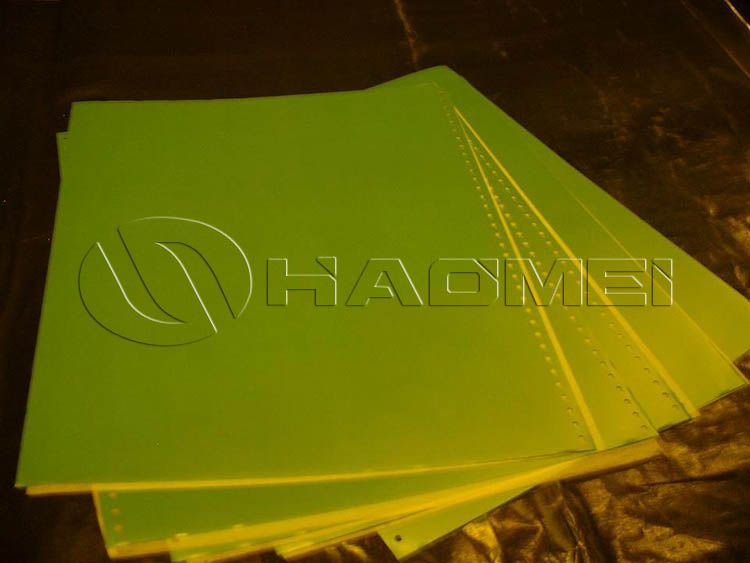
A PS sheet in commercial printing normally means a pre-sensitized aluminum offset plate, not a polystyrene sheet. State this definition in every request for quotation. Generic aluminum sheet, strip, coil, foil, or circle stock is not automatically suitable for lithographic plate production: plate substrates typically require controlled surface preparation, anodizing, and a photosensitive coating system.
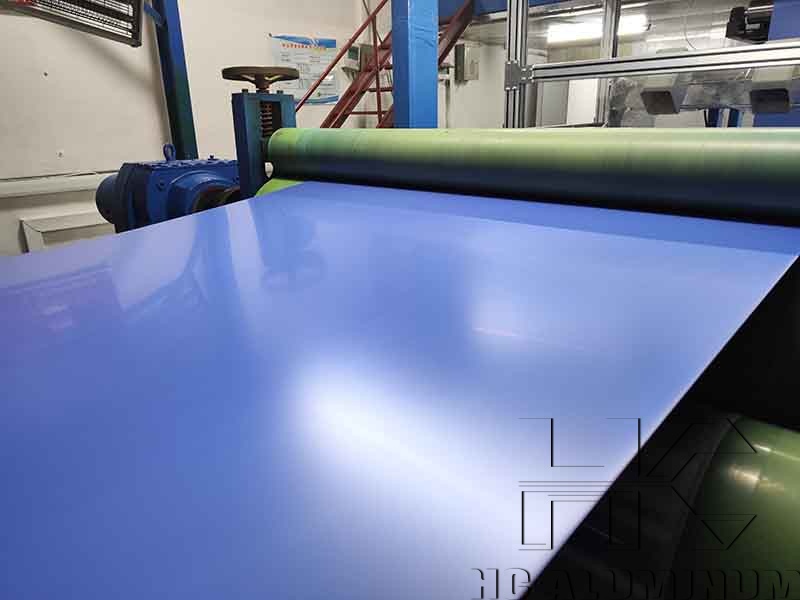
For holiday work, make dependable press starts the purchasing priority. A lower unit price has limited value if plate type, press compatibility, or packaging causes a missed production slot.
Build a Deadline-Ready Holiday Plate Specification
Start with the printing process. Positive-working conventional plates, thermal CTP plates, and violet CTP plates use different imaging workflows. A positive plate is exposed through film and developed in the appropriate chemistry. It is not interchangeable with a digital CTP plate unless the plate supplier and prepress workflow expressly confirm compatibility.
Use the following checklist before comparing offers:
| Checkpoint | What to specify | Why it protects holiday schedules |
|---|---|---|
| Plate technology | Positive conventional, thermal CTP, or violet CTP | Prevents a plate that cannot be imaged on the available equipment. |
| Press format | Exact plate length, width, thickness, gripper and bend requirements | Avoids trimming, remakes, and press-fit delays. |
| Substrate requirement | Aluminum plate substrate, surface condition, coating side, and plate orientation | Ensures the request is for lithographic material rather than general aluminum stock. |
| Run requirement | Expected impressions, ink coverage, fountain solution, UV or conventional ink use | Lets the supplier recommend a suitable plate family without unsupported durability assumptions. |
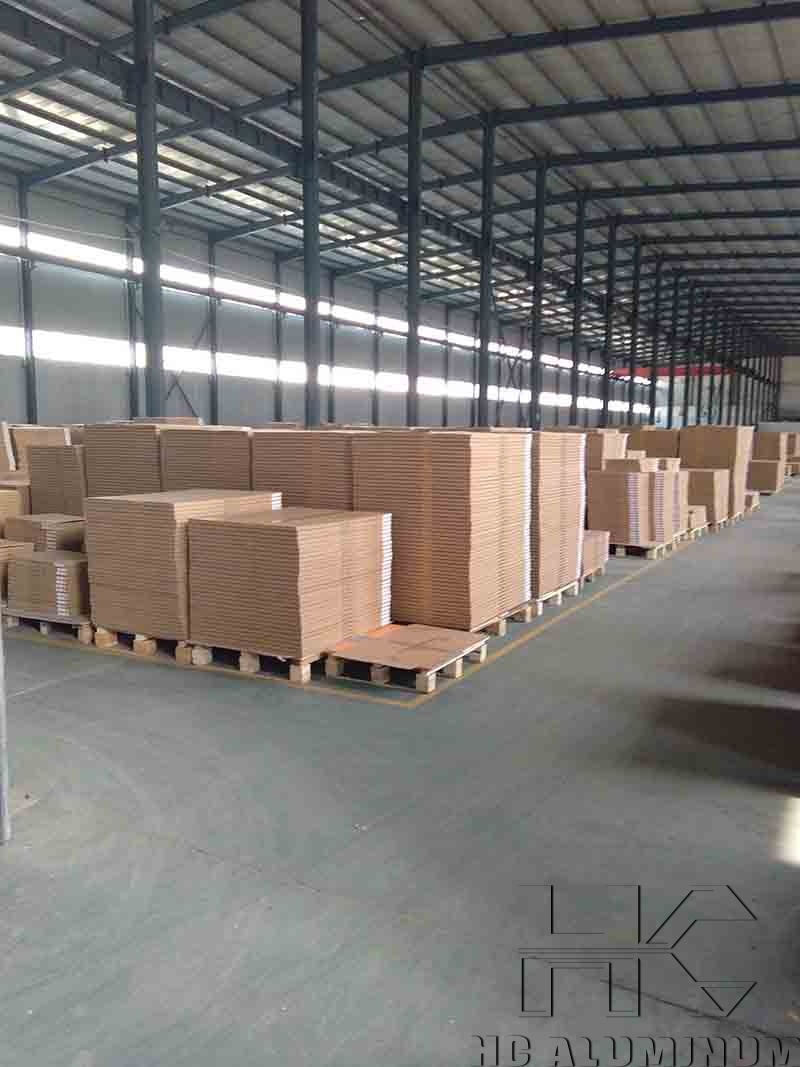
| Packing | Interleaf method, carton count, pallet protection, moisture barrier, and label data | Reduces edge damage and coating scratches during peak-season handling. |
| Documentation | Technical data sheet, SDS where applicable, batch or lot identification, and storage instructions | Supports incoming inspection and controlled use on press. |
For sourcing teams already familiar with aluminum products, the most useful distinction is the finished surface. Plate-grade material is more than a dimensional aluminum sheet. The imaging coating and the prepared aluminum surface jointly determine how the plate accepts image areas and non-image areas during lithographic printing.
When comparing a positive PS Plate offer, ask the supplier to identify the imaging method, recommended processing chemistry, and storage conditions in writing. This turns a broad material request into a production-ready specification.
Use Thanksgiving-to-Year-End Timing as a Procurement Control
In 2026, U.S. Thanksgiving falls on November 26, Black Friday is November 27, and Cyber Monday is November 30. These dates create concentrated demand for retail inserts, catalogs, direct-mail pieces, packaging sleeves, and seasonal promotional print. Even where plates are available, freight handoffs and reduced holiday operating hours can add risk.
Work backward from the first press date rather than from the artwork completion date.
| Timing point | Recommended action | Decision owner |
|---|---|---|
| 4-6 weeks before press | Freeze plate technology, dimensions, packing, and forecast volume. Request written lead-time and freight terms. | Procurement and prepress |
| 3 weeks before press | Approve a production sample or confirm prior successful press history for the same workflow. | Prepress and pressroom |
| 2 weeks before press | Release the primary order and confirm carton labeling, pallet count, and delivery appointment. | Materials control |
| 1 week before press | Inspect incoming cartons for moisture exposure, crushed corners, incorrect size, and missing batch data. | Warehouse and quality staff |
| 2-3 working days before press | Image and process a controlled plate test before the full campaign run. | Prepress |
Do not represent stock availability or a promotional price as fixed unless the supplier confirms it in a dated quotation. A usable offer should show plate dimensions, quantity basis, currency, delivery term, validity period, taxes or duties treatment, and whether freight is included. For peak-season campaigns, compare confirmed delivery dates and packing protection alongside price.
Holiday communication should also match the decision stage. Send a specification checklist and forecast request by email during planning. Use scheduled calls for technical confirmation between prepress and the plate supplier. Reserve warehouse receiving notices for carton count, arrival timing, and inspection status. This sequence gives operational teams time to resolve a mismatch before a press crew is waiting.
Control Storage, Safety, and Incoming Quality
A plate can be technically correct and still become unusable through poor storage or handling. Follow the supplier's technical data sheet first, because storage limits differ by plate chemistry and packaging. Keep unopened cartons protected from moisture, direct sunlight, excessive heat, and physical pressure. Maintain first-in, first-out control using received date and supplier batch identification.
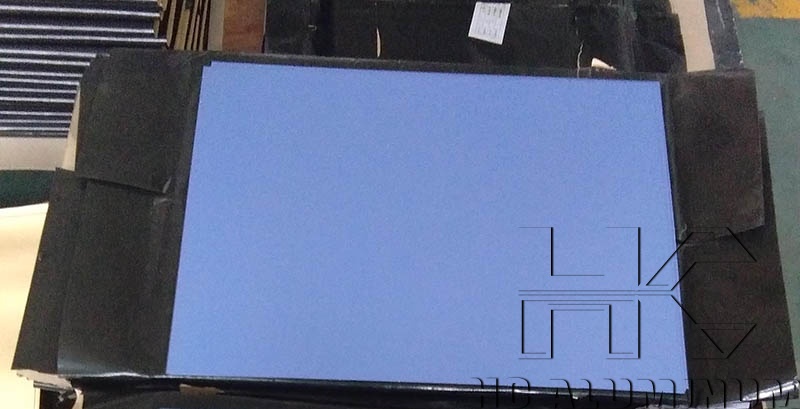
At receiving, record these items on one inspection sheet:
Purchase-order number, plate type, dimensions, thickness, and quantity.
Carton and pallet condition, including wet packaging, crushed edges, or punctures.
Batch or production identification shown on the carton.
Coating-side protection and interleaf condition.
Storage location, date received, and any supplier-stated expiry or shelf-life instruction.
A retained photograph of any shipping damage before unloading or opening affected cartons.
For printed color work, align the production process with the applicable contract standard. ISO 12647-2:2013 defines process-control requirements for offset lithographic processes, including proof and production print conditions. It does not certify a plate by itself, but it provides a recognized framework for agreeing print targets, proofs, and production controls.
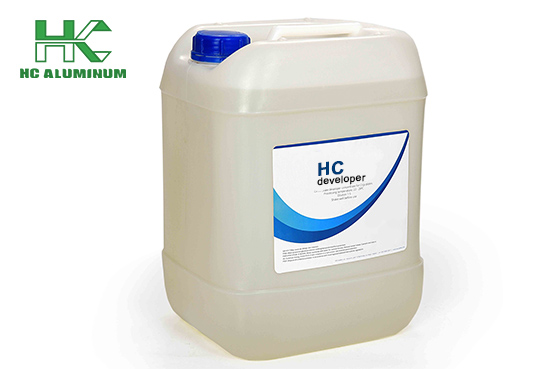
Where processing chemicals are used, obtain the current Safety Data Sheet from the supplier. In the United States, OSHA's Hazard Communication Standard, 29 CFR 1910.1200, requires hazard communication elements including labels and SDSs. Waste handling is site-specific; U.S. generators must make a hazardous-waste determination under 40 CFR 262.11 rather than assuming used developer, replenisher, or plate-processing waste is non-hazardous.
For high-volume seasonal print programs, qualify a positive PS plate format before campaign artwork is finalized. Confirm the press fit, imaging result, processing route, and packing condition with a controlled test. That single verification step is the strongest protection against preventable holiday press delays.